
EPA Method 531.2 Instrumentation Guide
EPA Method 531.2 is a standardized procedure used for detecting and quantifying carbamate pesticides and their phenolic metabolites in drinking water. This method utilizes high-performance liquid chromatography (HPLC) with fluorescence detection (FLD), following post-column derivatization. The analytical workflow includes separation of analytes through reverse-phase chromatography and enhanced detection sensitivity achieved via reaction with alkaline hydrolysis and o-phthalaldehyde. Accurate implementation requires robust HPLC systems paired with reliable post-column modules to ensure regulatory compliance and reproducibility.
Laboratories performing EPA Method 531.2 must utilize instrumentation that supports precision flow control, gradient elution, and temperature stability. Fluorescence detectors are essential for sensitive detection of carbamates at low concentrations. Since the method requires post-column derivatization, systems must be compatible with this specialized setup. Below, we outline fully compatible HPLC systems from leading brands, including Agilent, Waters, Thermo Scientific, Shimadzu, PerkinElmer, and JASCO, that offer the reliability, sensitivity, and flexibility necessary for EPA Method 531.2 applications.
Please click here to learn more about Method 531.2
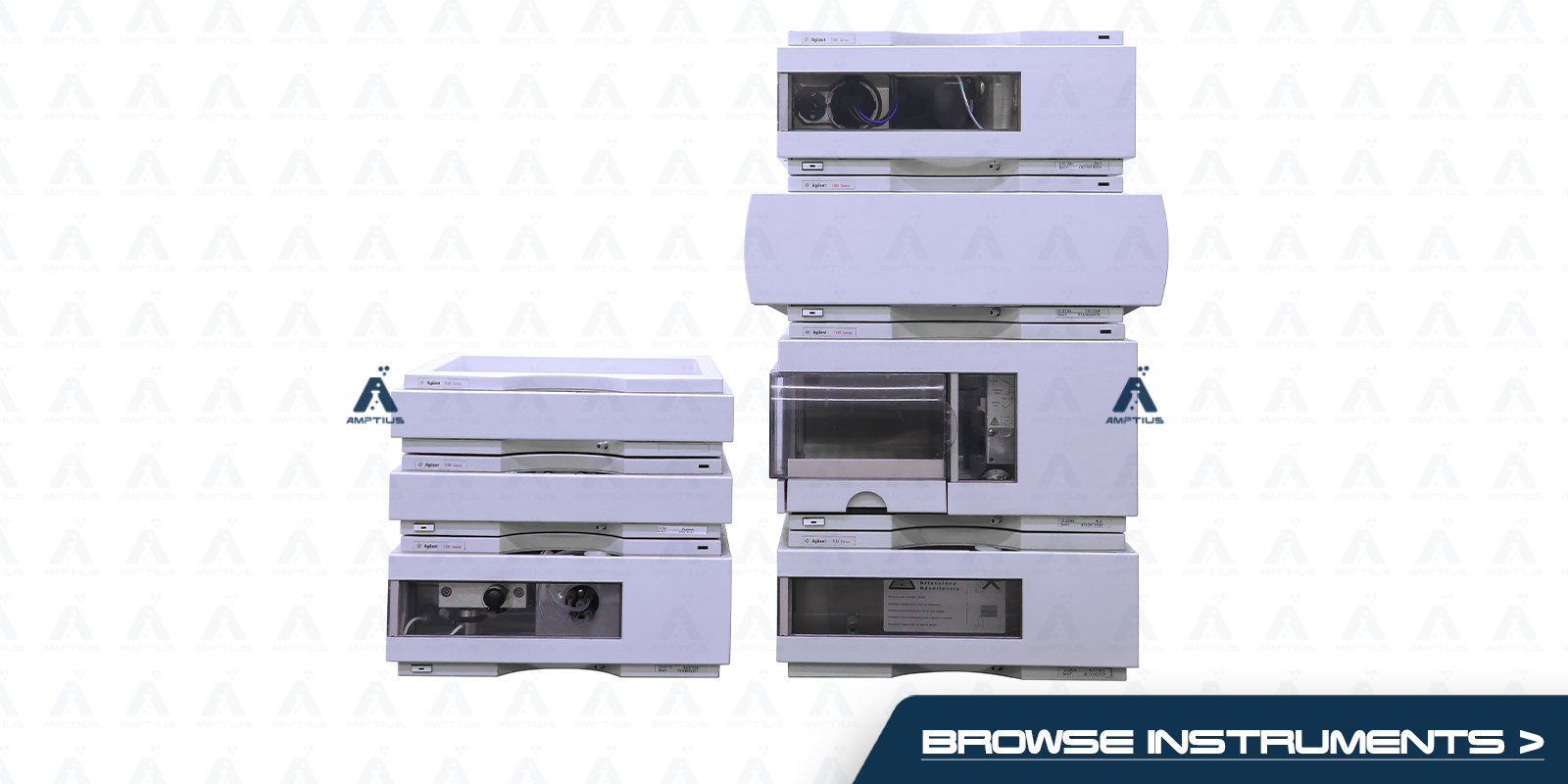
Agilent 7-Piece 1100 HPLC System with FLD + Quaternary Pump for EPA Method 531.2
The Agilent 1100 Series HPLC System with Fluorescence Detector and Quaternary Pump is a proven solution for pesticide analysis under EPA Method 531.2. Its modular design includes a high-stability quaternary pump, a well-regulated column oven, and an FLD with excellent sensitivity. When integrated with a post-column derivatization module, it provides the precise chemical reaction needed for accurate detection of carbamate pesticides. The 1100’s ChemStation software ensures reliable data acquisition, processing, and reporting for consistent compliance.
This system supports high-throughput analysis with automated injection, consistent gradient delivery, and advanced wavelength switching. Its durable design and industry reputation make it a preferred option for environmental laboratories performing regulatory drinking water analysis. The 1100 Series offers excellent baseline stability and reproducibility, making it a dependable tool for routine pesticide screening. When combined with the appropriate post-column derivatization setup, it becomes fully aligned with the instrumentation requirements of EPA Method 531.2.
Shimadzu Prominence HPLC System with RF-20AXS Fluorescence Detector for EPA Method 531.2
The Shimadzu Prominence HPLC System, equipped with the RF-20AXS Fluorescence Detector, offers high-sensitivity detection for EPA Method 531.2 compliance. Its excellent gradient reproducibility and precise temperature control enhance the separation of carbamates, while the RF-20AXS ensures optimal response for post-column derivatized compounds. The system supports seamless integration with Shimadzu’s post-column modules to meet the method’s fluorescence derivatization requirements.
Its user-friendly LabSolutions software allows for method automation, reporting, and QC tracking. With low carryover and precise autosampler control, the Prominence system enables robust analytical workflows. Environmental labs benefit from Shimadzu’s reliability and strong service support. When paired with the appropriate derivatization setup, this configuration becomes a fully compliant and high-performance solution for pesticide analysis in drinking water.
Waters Alliance e2695 HPLC with 2475 Fluorescence Detector for EPA Method 531.2
The Waters Alliance e2695 HPLC system combined with the 2475 FLD is an ideal platform for implementing EPA Method 531.2. This system offers precision solvent delivery, programmable sample injection, and stable temperature regulation, all critical for consistent chromatographic performance. The 2475 Fluorescence Detector provides ultra-sensitive detection of derivatized carbamate residues following post-column reaction, ensuring regulatory compliance.
The e2695 platform supports dual-wavelength detection and is compatible with post-column derivatization systems. Its Empower software streamlines sample tracking, integration, and results reporting. With high reproducibility and scalable throughput, this setup is widely used in environmental and municipal testing labs. Proper configuration with a post-column module ensures complete alignment with EPA Method 531.2 specifications, making it a reliable tool for routine compliance monitoring.
Thermo Scientific UltiMate 3000 HPLC with FLD-3000 Fluorescence Detector for EPA Method 531.2
The Thermo Scientific UltiMate 3000 HPLC, paired with the FLD-3000 Fluorescence Detector, delivers excellent performance for EPA Method 531.2 pesticide analysis. This UHPLC-compatible system provides fast and accurate gradient separation with high-pressure capabilities, while the FLD ensures sensitive detection of post-column derivatized compounds. Its dual-lamp design and multichannel fluorescence monitoring enhance signal clarity for better quantification of carbamate analytes.
The Chromeleon CDS software offers full workflow integration, from sample preparation to final reporting. The system’s modular architecture supports seamless pairing with external post-column derivatization modules. Its rugged design and analytical versatility make it a trusted choice for regulatory laboratories focused on trace-level pesticide detection in drinking water. When fully configured with the necessary reaction components, it meets all EPA Method 531.2 instrumentation standards.
PerkinElmer Series 200 HPLC with FLD and Post-Column Derivatization Setup for EPA Method 531.2
The PerkinElmer Series 200 HPLC System, when equipped with a fluorescence detector and post-column derivatization setup, offers reliable performance for EPA Method 531.2 applications. It provides precise gradient mixing and consistent temperature control, essential for repeatable separation of carbamate pesticides. The integrated fluorescence detector enables sensitive detection after the required chemical reaction step, ensuring compliance with method requirements.
This system supports full automation and can be configured with external post-column reaction modules to meet EPA guidelines. The TotalChrom software platform streamlines method setup and validation, while delivering traceable data for reporting. PerkinElmer’s robust design and flexible integration make the Series 200 a valuable tool for public health labs and environmental facilities monitoring pesticide levels in water systems.
JASCO LC-4000 Series with FP-4020 Fluorescence Detector for EPA Method 531.2
The JASCO LC-4000 Series, equipped with the FP-4020 Fluorescence Detector, is fully capable of supporting EPA Method 531.2 when used with a compatible post-column derivatization system. This advanced HPLC platform features rapid response detectors, excellent baseline stability, and dual-wavelength detection, offering high sensitivity for environmental testing. Its accurate gradient control and temperature programming ensure reproducible carbamate separation.
JASCO’s ChromNAV software offers seamless control over data acquisition and post-run reporting. With its compact footprint and high reliability, the LC-4000 Series is well-suited for laboratories performing regulatory pesticide analysis. Integration with a post-column derivatization module is required for full compliance with EPA Method 531.2, making this configuration a cost-effective and high-performance solution for routine drinking water testing.
Choosing the Right HPLC System for EPA Method 531.2
- For high-throughput labs: The Agilent 1100 Series and Thermo Scientific UltiMate 3000 offer reliable automation and strong sensitivity for drinking water testing.
- For advanced detection needs: The Waters Alliance e2695 with 2475 FLD and JASCO LC-4000 with FP-4020 offer robust post-column compatibility and excellent fluorescence performance.
- For budget-conscious labs: The PerkinElmer Series 200 and Shimadzu Prominence HPLC systems offer strong analytical value with optional post-column setups.
All HPLC systems used for EPA Method 531.2 must be paired with a compatible post-column derivatization module to ensure full compliance with the method’s instrumentation requirements. As a provider of certified refurbished systems, we offer cost-effective, tested instruments to meet EPA guidelines. Contact us today to explore the best-fit HPLC solutions for carbamate pesticide monitoring in drinking water.