
AOAC Method SMPR 2017.019 Instrumentation Guide
Standard Method Performance Requirements (SMPR) for Quantitation of Cannabinoids in Edible Chocolate
AOAC SMPR 2017.019 establishes performance-based criteria for the quantification of cannabinoids in edible chocolate products. This includes major analytes such as tetrahydrocannabinol (THC), cannabidiol (CBD), and other cannabinoids across dark, milk, and white chocolate matrices. The standard specifies a limit of quantitation (LOQ) of ≤ 0.008% by weight and an analytical range of 0.008% to 5% w/w. Methods must also demonstrate recovery between 90–110% for low concentrations and 95–105% for higher concentrations, with repeatability (%RSDr) ≤ 5% and reproducibility (%RSDR) ≤ 8%. Laboratories may use HPLC with diode array detection or LC-MS/MS systems to meet these criteria, provided performance is confirmed through validation.
Suitable instrumentation must offer strong chromatographic separation, low detection limits, and stable retention times to ensure method precision. Although AOAC does not name specific systems, laboratories can select from platforms with proven reliability in cannabinoid and food testing. The instruments highlighted below are widely used in analytical laboratories and are capable of delivering compliant results under SMPR 2017.019. These systems support matrix-rich workflows and offer software tools for compliance, traceability, and audit readiness. Validation of each system is essential, and labs must conduct performance evaluations across applicable matrices.
Please click here to learn more about AOAC Method SMPR 2017.019
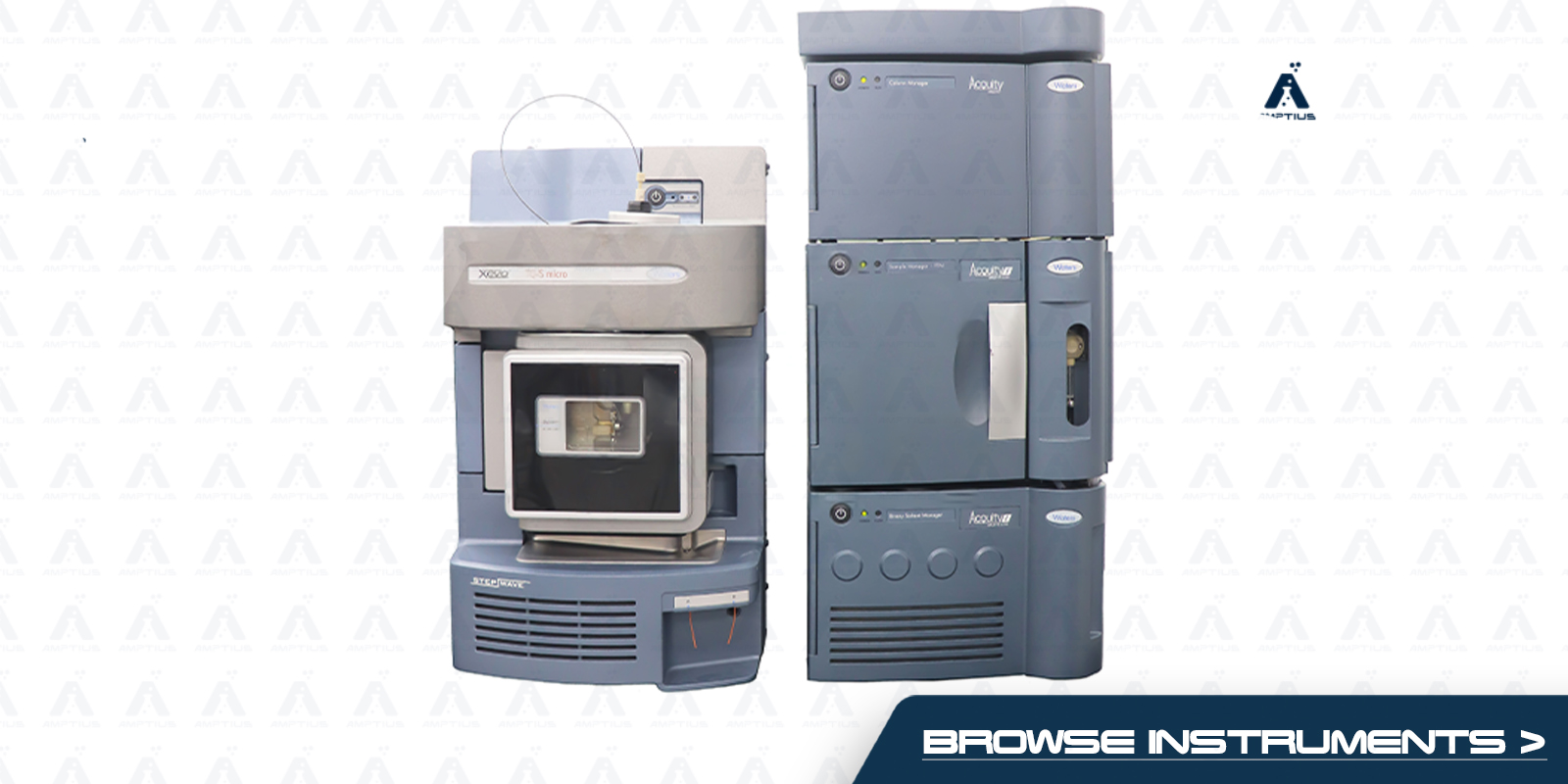
Waters Xevo TQ-S Micro Triple Quadrupole LC-MS/MS with ACQUITY I Class for AOAC Method SMPR 2017.019
The Waters Xevo TQ-S Micro, coupled with the ACQUITY I Class UPLC system, offers excellent sensitivity for detecting cannabinoids in chocolate matrices. It features StepWave ion optics and a compact design optimized for high-throughput workflows. This system is capable of achieving LOQs below the 0.008% threshold set by SMPR 2017.019 while maintaining stable response and selectivity. Its ACQUITY I Class UPLC provides tight retention time control and efficient separation of analytes like THC, CBD, and CBN. With proper calibration and method development, it supports high-precision quantitation in regulated environments.
MassLynx software provides robust data management and simplifies validation processes, including calibration tracking and system suitability checks. The instrument’s ability to handle complex matrices makes it ideal for chocolate-based products where sample cleanup can be challenging. Laboratories can achieve strong recovery and reproducibility when validated methods are applied. Although AOAC does not certify particular systems, the Xevo TQ-S Micro is widely recognized in both cannabis and food testing laboratories. Internal validation remains essential for ensuring compliance with all SMPR requirements.
Agilent Ultivo Triple Quadrupole LC-MS/MS with 1260 Infinity II for AOAC Method SMPR 2017.019
The Agilent Ultivo LC-MS/MS system, integrated with the 1260 Infinity II UHPLC, is a compact, high-performance platform ideal for cannabinoid quantitation. It utilizes Jet Stream ESI technology to improve ionization efficiency and enhance sensitivity for low-level detection. The system is capable of achieving the stringent LOQ and reproducibility targets defined by AOAC SMPR 2017.019. Paired with the Infinity II UHPLC, it delivers excellent gradient precision and retention time stability across multiple sample types. These features support accurate and repeatable measurement in chocolate matrices.
MassHunter software offers powerful tools for method validation, reporting, and system suitability evaluation. This software platform enables streamlined data review, real-time monitoring, and traceable audit workflows. The compact footprint of the Ultivo system makes it suitable for laboratories with space constraints while still delivering robust analytical performance. Many testing facilities have adopted this system for routine cannabinoid profiling, particularly in regulatory settings. For full compliance, laboratories must validate all relevant performance parameters under in-house conditions.
PerkinElmer QSight 420 LC-MS/MS with UHPLC for AOAC Method SMPR 2017.019
The PerkinElmer QSight 420 LC-MS/MS system, combined with UHPLC, is designed for rugged performance in high-matrix food and cannabis applications. It includes a dual-source ionization module that provides enhanced flexibility across diverse cannabinoid analytes. The system supports LOQs below the 0.008% requirement and offers strong reproducibility when paired with validated extraction and quantitation protocols. Its signal stability and minimal matrix interference are key advantages for chocolate-based sample analysis. Consistent peak shapes and low background noise support quantitation across a broad analytical range.
Simplicity software allows users to automate calibration, track recovery, and manage system suitability workflows. This user-friendly interface is especially beneficial for laboratories operating under regulatory oversight. Although AOAC does not reference specific manufacturers, the QSight 420 is a proven tool in the cannabis compliance sector. Laboratories must complete method-specific validation to confirm recovery, precision, and matrix tolerance. This ensures the instrument’s outputs align with AOAC SMPR 2017.019 specifications.
Thermo Scientific TSQ Altis Plus with Vanquish UHPLC for AOAC Method SMPR 2017.019
The TSQ Altis Plus Triple Quadrupole LC-MS/MS system, when paired with Thermo’s Vanquish UHPLC, offers high-sensitivity analysis for cannabinoid quantitation. Its Active Ion Management and robust MRM switching enable fast, accurate detection of THC, CBD, and related compounds. The Vanquish UHPLC enhances peak resolution and maintains excellent retention time reproducibility, even in matrix-rich chocolate samples. This system easily meets the LOQ and %RSD thresholds established by SMPR 2017.019 when properly validated. Together, they provide a powerful platform for regulated analytical workflows.
TraceFinder or Xcalibur software supports method development, real-time compliance tracking, and comprehensive reporting. These features make the Altis Plus especially useful in high-throughput labs where audit readiness is critical. The system’s reproducibility and linear dynamic range are key advantages for edible product testing. While not AOAC-endorsed, Thermo Scientific systems are widely used in food and cannabis laboratories worldwide. Each lab must still validate matrix-specific methods to ensure alignment with SMPR benchmarks.
Shimadzu LCMS-8060NX with Nexera X3 UHPLC for AOAC Method SMPR 2017.019
The Shimadzu LCMS-8060NX, integrated with the Nexera X3 UHPLC, offers fast and precise quantitation of cannabinoids in challenging edible matrices. This system is equipped with high-speed MRM acquisition and enhanced desolvation, reducing signal suppression from chocolate components. The Nexera X3 UHPLC enables consistent peak shape, short run times, and reproducible gradient control. The LCMS-8060NX easily reaches sub-LOQ levels required by SMPR 2017.019 and delivers stable, high-quality chromatograms under validated conditions. These qualities make it highly effective for quality control in cannabinoid testing.
LabSolutions software provides built-in system suitability, validation documentation, and real-time monitoring. It simplifies method deployment and streamlines compliance reporting for routine batch testing. Although AOAC does not list specific brands, Shimadzu platforms are frequently validated for regulated food and supplement testing. Laboratories must confirm internal reproducibility and matrix recovery in accordance with SMPR criteria. This ensures results are consistent with official performance requirements.
SCIEX Triple Quad™ 6500+ LC-MS/MS with ExionLC AD for AOAC Method SMPR 2017.019
The SCIEX Triple Quad 6500+ LC-MS/MS system, paired with ExionLC AD UHPLC, is a high-performance platform for trace-level cannabinoid detection. Its Turbo V ion source and Scheduled MRM Pro allow for accurate, matrix-tolerant measurements in edible chocolate samples. This platform supports femtogram-level sensitivity and surpasses the LOQ requirement set by SMPR 2017.019. It also offers excellent precision and reproducibility across complex sample matrices when used with validated methods. This makes it highly suitable for use in both R&D and compliance-driven laboratories.
SCIEX OS software integrates calibration setup, retention time tracking, and repeatability metrics to support full compliance workflows. Laboratories using the 6500+ can confidently assess cannabinoids across the required 0.008% to 5% range. The instrument’s proven matrix robustness and high dynamic range provide consistent data over extended runs. While AOAC does not recommend specific systems, this platform has gained significant traction in regulated cannabis testing. Each lab must verify system suitability and performance through rigorous internal validation.
Agilent 1260 Infinity II HPLC with DAD for AOAC Method SMPR 2017.019
The Agilent 1260 Infinity II HPLC system with a diode array detector (DAD) provides a non-mass spectrometry option for compliant cannabinoid analysis. This system enables quantitation based on UV absorbance with well-defined retention times and spectral fingerprints. When coupled with validated reference standards and optimized separation, it can meet SMPR targets for LOQ, reproducibility, and recovery. Its modular design allows precise flow control, gradient reproducibility, and temperature stability, which are essential for analyzing complex chocolate matrices. This makes it an effective choice for labs focusing on cost-conscious cannabinoid testing.
OpenLab CDS software facilitates full-spectrum review, calibration curve generation, and system suitability evaluations. While UV-based methods offer less selectivity than MS-based workflows, they can be sufficient when paired with strong chromatographic resolution and reliable compound identification. Many laboratories use this setup for screening or routine monitoring where method specificity is maintained through retention time and spectral matching. Validation must include matrix testing to confirm detection limits, linearity, and recovery percentages. This system supports full compliance with SMPR 2017.019 when validated thoroughly.
Choosing the Right Instrument for AOAC Method SMPR 2017.019
- High-sensitivity LC-MS/MS platforms: SCIEX 6500+, Shimadzu LCMS-8060NX, and Thermo TSQ Altis Plus
- Compact and space-saving solutions: Agilent Ultivo and Waters Xevo TQ-S Micro
- High-throughput regulatory workflows: PerkinElmer QSight 420 and SCIEX 6500+ for consistent batch testing
- UV-based alternatives: Agilent 1260 Infinity II HPLC with DAD for budget-conscious labs
AOAC SMPR 2017.019 outlines strict performance standards for cannabinoid quantitation in edible chocolate products. Instruments must demonstrate precise quantitation across varied matrices, with validation of LOQ, recovery, and reproducibility. The systems listed above have proven success in food and cannabis testing environments and offer flexible options for compliance. However, final performance verification remains the responsibility of the testing laboratory. We offer certified refurbished systems that support method compliance and deliver exceptional value—contact us today to explore the best solutions for your lab.
