
AOAC Method SMPR 2014.007 Instrumentation Guide
Standard Method Performance Requirements (SMPR) for Authentication of Selected Vaccinium Species (Anthocyanins) in Dietary Ingredients and Dietary Supplements
AOAC SMPR 2014.007 outlines the performance standards for authenticating selected Vaccinium species, including blueberries, cranberries, bilberries, and lingonberries, based on their anthocyanin profiles. The method requires 100% correct identification of authenticated Vaccinium samples (Annex I) and exclusion of non-target materials (Annex II). This is achieved through validated reference materials and botanical matrices to ensure analytical integrity. Analytical systems used must provide sufficient resolution, repeatability, and selectivity to differentiate anthocyanins specific to each species. Acceptable techniques include chromatographic, mass spectrometric, and spectral methods, provided they are properly validated for each species.
Instrumentation must accurately differentiate anthocyanins in complex berry matrices and eliminate potential interference from non-Vaccinium components or synthetic colors. The ability to generate precise fingerprints, retention time data, and spectral confirmation is essential for regulatory compliance. SMPR 2014.007 is designed to support both routine quality control and high-stakes authenticity testing in regulatory contexts. Compliance with this method strengthens data defensibility and is often essential in dispute resolution and product verification. The instruments listed below are widely used in validated methods and have demonstrated reliable performance under SMPR 2014.007 standards.
Please click here to learn more about AOAC Method SMPR 2014.007
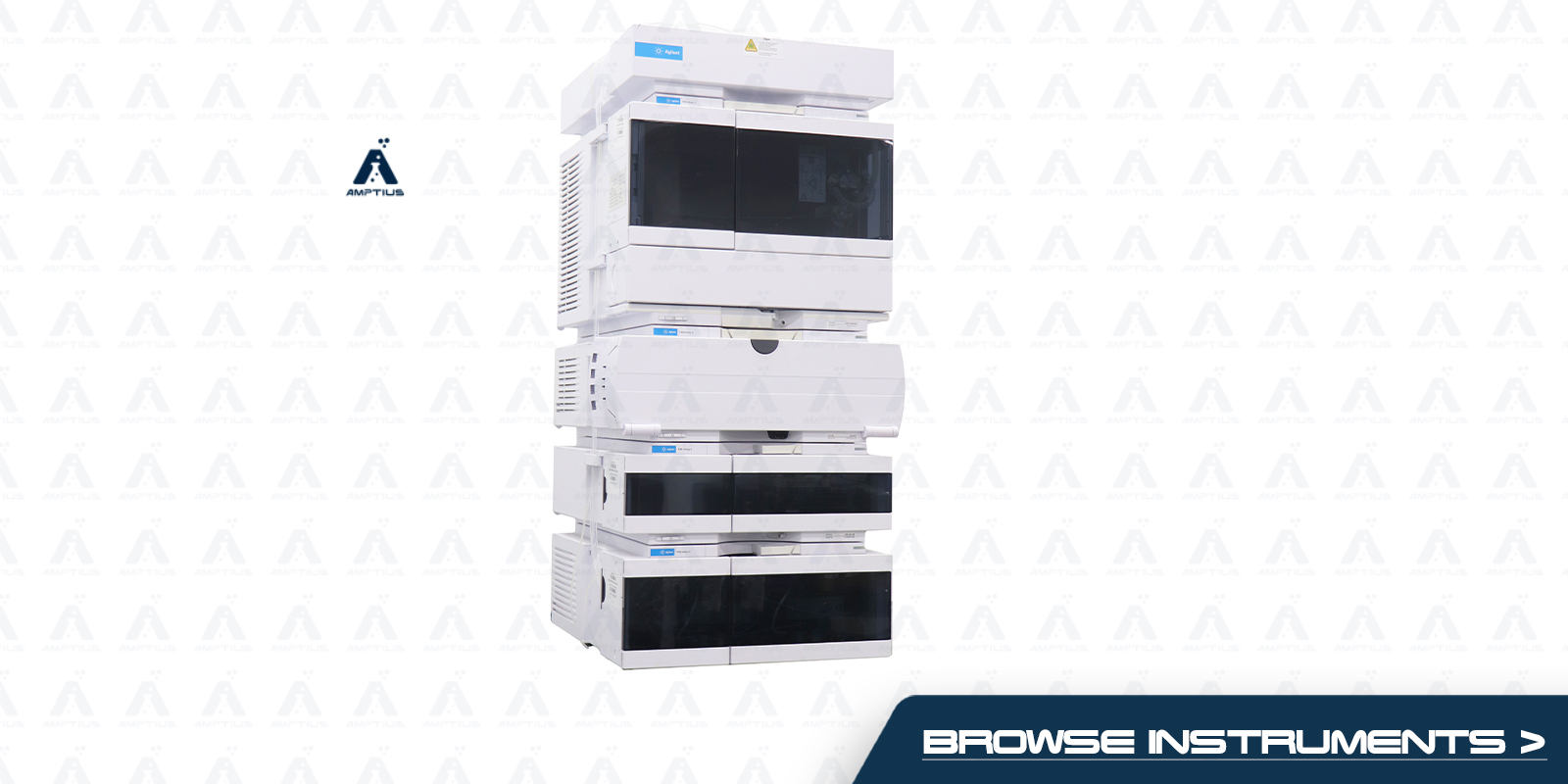
Agilent 1260 Infinity II HPLC System with DAD for AOAC Method SMPR 2014.007
The Agilent 1260 Infinity II HPLC System with DAD provides high-resolution separation for anthocyanin-based species authentication. It ensures reproducible retention times and precise peak identification critical for differentiating glycosides such as delphinidin and cyanidin. The diode-array detector (DAD) allows UV-visible spectral confirmation from 200–600 nm, which supports spectral purity and compound validation. This combination is especially effective for differentiating closely related Vaccinium species. It supports the high analytical confidence required for compliance with SMPR 2014.007.
OpenLab CDS software enhances regulatory compliance by offering built-in audit trails, spectral libraries, and system suitability testing tools. These features enable full traceability and support robust documentation for regulated environments. Laboratories can apply this system across various supplement forms, including powders, extracts, and encapsulated products. It remains a leading solution for botanical authentication due to its performance consistency and operational flexibility. With proper validation using reference standards, it provides end-to-end support for AOAC-compliant testing workflows.
Waters Acquity UPLC System with Empower 3 PDA for AOAC Method SMPR 2014.007
The Waters Acquity UPLC System delivers ultra-high-pressure capabilities that enhance chromatographic resolution. Its PDA detector captures real-time spectral data for each analyte, enabling verification of purity and identity. This platform is ideal for resolving anthocyanin markers that differ only slightly in polarity or structure. Laboratories routinely use it to distinguish species-specific profiles in challenging matrices like bilberry extracts and cranberry softgels. Its fast run times and high accuracy make it especially suitable for high-throughput labs.
Empower 3 software adds value by supporting peak purity analysis, spectral library comparisons, and electronic audit trails. These functions improve method validation and ensure compliance with SMPR 2014.007. With consistent performance and reliable output, this system is a trusted tool for regulated testing environments. It also supports long-term data management and traceability for both in-house and contract lab testing. Empower 3’s user-friendly interface and built-in compliance features enhance data defensibility in authentication work.
Shimadzu LC-2030 Plus with UV-PDA for AOAC Method SMPR 2014.007
The Shimadzu LC-2030 Plus HPLC system integrates sample injection, gradient control, and PDA detection into a compact platform ideal for high-throughput labs. It offers excellent resolution and reproducibility, which are essential when analyzing anthocyanins across various Vaccinium species. The PDA detector captures full UV spectra for every peak, supporting precise peak identification and purity assessment. This level of control helps eliminate co-eluting artifacts and confirms compound authenticity. Its versatility makes it suitable for testing raw extracts, juice concentrates, and finished supplement forms.
LabSolutions software enhances method development and regulatory readiness by offering features like audit trails, system suitability testing, and batch reporting. Laboratories benefit from simplified workflows that ensure compliance with AOAC SMPR 2014.007. The platform’s user-friendly interface streamlines daily operation, making it an efficient choice for routine testing environments. It has been widely adopted by dietary supplement and food authentication laboratories. When validated with botanical reference materials, it consistently produces results suitable for regulatory submission and dispute resolution.
Thermo Scientific UltiMate 3000 with DAD for AOAC Method SMPR 2014.007
The Thermo Scientific UltiMate 3000 HPLC system offers reliable high-resolution chromatography and stable gradient delivery, critical for anthocyanin profiling. Its diode-array detector enables full-spectrum data capture, allowing users to identify anthocyanin glycosides through both retention time and spectral match. The modular design allows laboratories to configure the system according to analytical demands, ensuring scalability for growing testing needs. It is highly effective at separating overlapping peaks in complex berry matrices. The system’s precision ensures consistent and traceable measurements across different product forms.
Chromeleon software supports compliance with AOAC SMPR 2014.007 through built-in tools for spectral comparison, audit logs, and automated system suitability checks. These features enhance regulatory traceability and ensure data integrity from sample to report. Laboratories benefit from automated workflows that reduce analyst variability and increase reproducibility. The UltiMate 3000 is widely recognized in the botanical testing field for its analytical power and ease of integration. Its compliance-ready architecture makes it a preferred choice for routine and confirmatory anthocyanin analysis.
Agilent Ultivo Triple Quad LC-MS/MS with 1260 Infinity II for AOAC Method SMPR 2014.007
The Agilent Ultivo Triple Quad, coupled with the 1260 Infinity II UHPLC, provides a compact and sensitive LC-MS/MS solution for anthocyanin confirmation. The triple quadrupole system performs multiple reaction monitoring (MRM) to differentiate anthocyanin glycosides even when UV data is inconclusive. This system excels in detecting trace-level markers in complex matrices and is suitable for resolving subtle species-specific differences. Its compact footprint and robustness make it ideal for regulated labs with limited bench space. The system’s high sensitivity ensures low-level detection for authenticity verification.
MassHunter software enhances method validation through retention time tracking, ion ratio confirmation, and electronic audit trails. Built-in system suitability tools enable labs to maintain performance documentation required under SMPR 2014.007. The platform is designed to support rapid screening while maintaining the confirmatory rigor needed in regulatory workflows. It is often used for dispute resolution where high specificity is required to defend authenticity claims. With validated botanical references, the Ultivo system provides reliable, traceable, and compliant results.
Waters Xevo TQ-S Micro LC-MS/MS with Acquity I Class for AOAC Method SMPR 2014.007
The Waters Xevo TQ-S Micro system, combined with Acquity I Class UHPLC, offers high sensitivity and selectivity for anthocyanin analysis in botanical matrices. Its StepWave ion guide enhances ion transmission, leading to improved MRM signal clarity and lower detection limits. This platform supports reliable identification of species-specific markers, even in the presence of interfering compounds. It is particularly effective in separating anthocyanins with similar mass-to-charge ratios. The system supports high-throughput testing for both routine and confirmatory workflows.
Empower or MassLynx software facilitates regulatory compliance by tracking ion ratios, managing audit trails, and enabling system suitability reports. These tools ensure that every run is documented and verifiable for SMPR 2014.007 compliance. With its superior sensitivity and software-driven traceability, the Xevo TQ-S Micro is trusted in botanical and nutraceutical labs. It performs equally well in identity confirmation and authenticity challenges. When paired with validated reference materials, it delivers legally defensible results for anthocyanin authentication.
Perkin Elmer QSight 420 LC-MS/MS UHPLC System for AOAC Method SMPR 2014.007
The PerkinElmer QSight 420 is a rugged and reliable LC-MS/MS system ideal for anthocyanin profiling in Vaccinium supplements. Its dual-source technology and sensitive collision cell allow for accurate quantification and confirmation of anthocyanins. This system performs exceptionally well in detecting low-concentration markers from berry extracts, capsules, and tablets. It ensures high specificity by targeting validated MRM transitions. The platform’s robust construction supports consistent long-term use in regulated labs.
Simplicity 3Q software enables detailed method validation, recovery tracking, and full control over MRM parameters. Built-in audit trails and system suitability documentation enhance readiness for regulatory inspection and method compliance. The software also streamlines reporting, reducing manual entry errors and increasing overall workflow efficiency. This makes the QSight 420 a dependable system for both quality control and authenticity investigations. When properly calibrated, it supports full compliance with AOAC SMPR 2014.007 performance criteria.
SCIEX 6500+ Triple Quad for AOAC Method SMPR 2014.007
The SCIEX 6500+ Triple Quad system delivers ultra-trace detection for anthocyanins in botanical and dietary supplement products. It features Turbo V ionization and Scheduled MRM Pro, which enhance speed and selectivity without sacrificing sensitivity. This makes it especially suitable for confirming Vaccinium identity when complex matrices obscure traditional chromatographic signals. The instrument provides robust and reproducible transitions for each target analyte. Analysts can confirm species identity by comparing retention times and ion ratios with authenticated references.
SCIEX OS software includes advanced audit tracking, system suitability tools, and method validation reports that align with SMPR 2014.007 requirements. These features make it easy to demonstrate method performance and regulatory compliance. The 6500+ is widely adopted in food fraud investigations and botanical product authentication. It provides rapid results with high confidence for both screening and confirmatory applications. When used with validated botanical standards, this system ensures traceability and reliability in regulatory environments.
Bruker Avance 400 or 600 MHz NMR for AOAC Method SMPR 2014.007
The Bruker Avance 400 or 600 MHz NMR systems provide advanced structural analysis capabilities for anthocyanins and related compounds. Nuclear magnetic resonance spectroscopy distinguishes between subtle molecular differences, such as glycosylation patterns and ring substitutions. This structural resolution supports species-level authentication where mass spectrometry or HPLC data alone may be inconclusive. NMR plays a vital role in confirming identity when other analytical techniques yield ambiguous results. It is particularly useful for verifying authenticity in high-value or disputed samples.
TopSpin software supports spectral deconvolution, compound matching, and audit documentation required for regulatory environments. The software provides tools for building and comparing against authenticated botanical libraries. Regulatory and academic laboratories rely on Bruker systems for confirmatory identity testing in complex cases. When used with validated anthocyanin references, these systems satisfy the expectations of SMPR 2014.007. NMR adds a higher tier of structural certainty to botanical authentication workflows.
Choosing the Right Instrument for AOAC Method SMPR 2014.007
- Chromatographic profiling: Agilent 1260 Infinity II, Waters Acquity UPLC, and Shimadzu LC-2030 Plus provide strong HPLC/PDA separation of anthocyanins.
- Confirmatory LC-MS/MS systems: SCIEX 6500+, Waters Xevo TQ-S Micro, and Agilent Ultivo offer high-confidence identity verification for complex matrices.
- Versatile workflows: Thermo UltiMate 3000 and PerkinElmer QSight 420 support routine and confirmatory analyses in regulated settings.
- Structural confirmation: Bruker Avance 400/600 MHz NMR delivers species-level identity through detailed anthocyanin structure elucidation.
AOAC Method SMPR 2014.007 requires validated instruments capable of authenticating selected Vaccinium species with 100% accuracy using anthocyanin profiles. The systems listed above support both routine compliance and high-stakes dispute resolution through chromatographic, spectrometric, and structural analysis techniques. Each platform contributes uniquely to robust analytical workflows, offering a balance of resolution, sensitivity, and compliance-readiness. With proper method development and validation, these instruments meet or exceed AOAC performance expectations. Contact us today to find the best solution for your lab.
