
AOAC Method SMPR 2012.004 Instrumentation Guide
Standard Method Performance Requirements (SMPR) for Vitamin D in Pre-Blends, Pre-Mixes, and Pure Materials
AOAC SMPR 2012.004 defines the minimum method performance requirements for quantifying vitamin D₂ (ergocalciferol) and vitamin D₃ (cholecalciferol) in food ingredient materials. These materials include pre-blends, pre-mixes, and pure compounds in oil-based or encapsulated forms not intended for direct consumption. The method must support an analytical range of 100 ppm to 100%, with a limit of quantitation (LOQ) no greater than 100 ppm. Repeatability (RSDr) should be ≤4% at 0.01%, ≤2% at 1%, and ≤1% at 100%, while reproducibility (RSDR) must be ≤8%, ≤4%, and ≤2%, respectively. Recovery performance must remain within 90–110% across the entire range.
Acceptable methods include chromatographic techniques such as HPLC with UV or DAD detection and LC-MS/MS platforms with MRM functionality. Instruments must ensure proper separation of D₂ and D₃, minimal carryover, and consistent retention times. Laboratories should use certified reference materials or validated internal standards to confirm method accuracy. System suitability testing, calibration curve monitoring, and recovery checks are all essential for regulatory compliance. The instruments listed below meet AOAC SMPR 2012.004 criteria when used with validated sample preparation and quantitation workflows.
Please click here to learn more about AOAC Method SMPR 2012.004
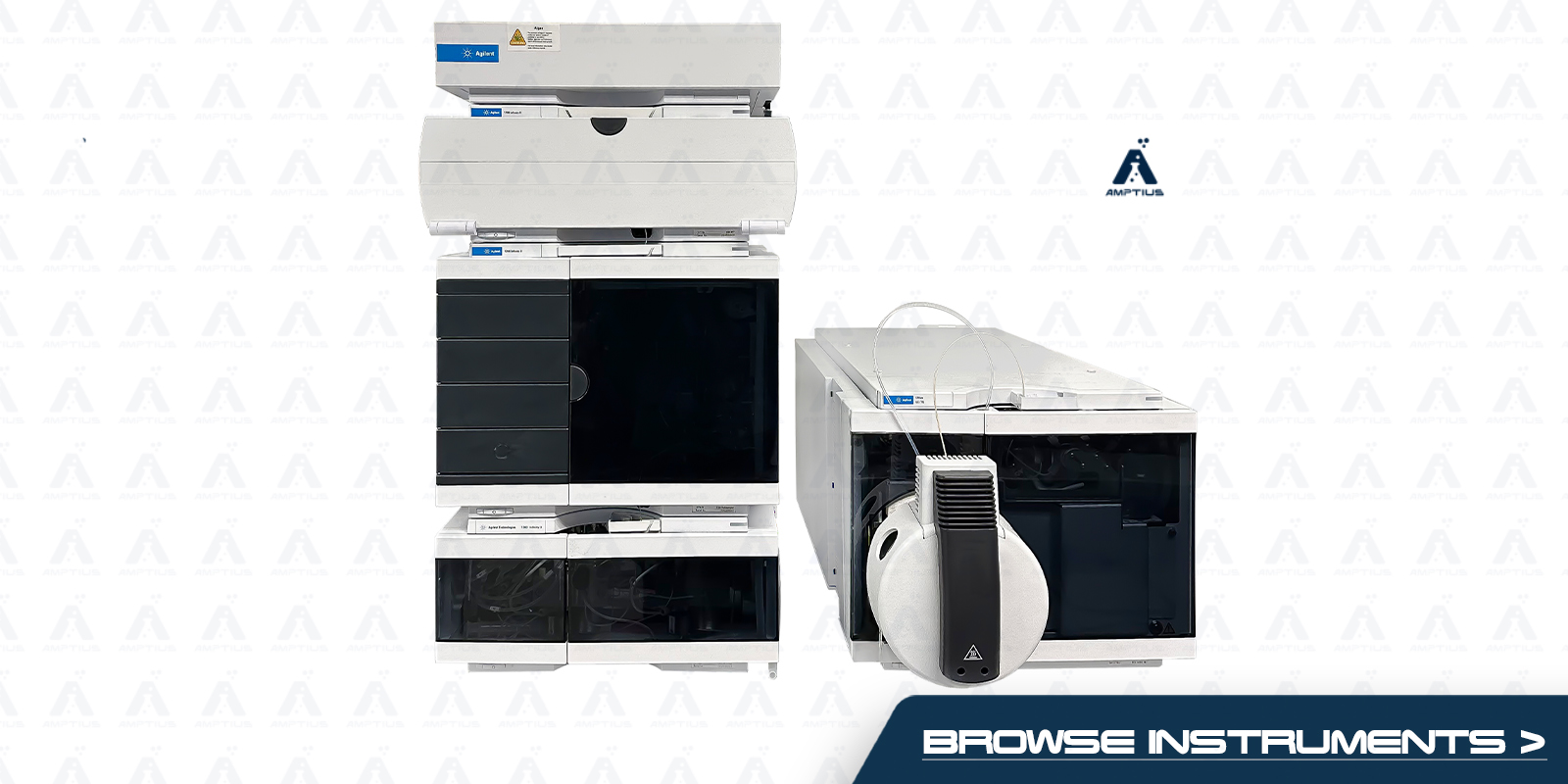
Agilent Ultivo Triple Quad LC/MS/MS System with 1260 Infinity II for AOAC Method SMPR 2012.004
The Agilent Ultivo Triple Quad LC-MS/MS System, paired with the 1260 Infinity II HPLC front end, offers a compact and powerful solution for vitamin D analysis. Its Jet Stream ion source and triple quadrupole design support high-sensitivity detection of both D₂ and D₃. LOQs below 100 ppm are consistently achieved, making it suitable for fortified premix and oil-based sample testing. The 1260 Infinity II ensures accurate gradient formation, which maintains excellent retention time stability. Together, these components deliver strong analytical precision and repeatability across all concentration levels.
Agilent’s MassHunter software enhances traceability and compliance through automated calibration tracking and system suitability verification. The platform supports full method validation with integrated recovery monitoring and audit-ready batch reporting. This system is commonly used in ingredient and supplement labs due to its ease of use and efficient footprint. When configured with validated extraction and hydrolysis protocols, the Ultivo platform meets all AOAC method performance expectations. It is a reliable choice for laboratories requiring robust LC-MS/MS analysis in a compact format.
Waters Xevo TQ-S Micro LC-MS/MS with Acquity I Class for AOAC Method SMPR 2012.004
The Waters Xevo TQ-S Micro LC-MS/MS system, paired with the Acquity I Class UPLC front end, delivers high sensitivity and repeatability for vitamin D₂ and D₃ testing. The StepWave ion guide improves signal transmission while reducing background noise. This configuration consistently meets LOQ thresholds below 100 ppm and provides precise separation across the entire analytical range. The Acquity UPLC ensures sharp peaks and fast runtimes, enhancing throughput in high-volume labs. This platform is ideal for regulated laboratories working with oil-based or encapsulated ingredients.
Empower 3 software offers integrated method validation tools, including automated calibration monitoring, recovery calculations, and system suitability checks. Its intuitive reporting tools streamline batch review and regulatory submission preparation. Analysts appreciate the software’s flexibility and audit-friendly architecture. The Xevo TQ-S Micro platform meets AOAC performance criteria when used with validated sample preparation protocols. It is a preferred solution for labs requiring sensitivity, speed, and reliable performance across diverse vitamin D sample types.
SCIEX Triple Quad™ 6500+ LC-MS/MS with ExionLC AD for AOAC Method SMPR 2012.004
The SCIEX Triple Quad™ 6500+ LC-MS/MS system is one of the most sensitive and high-throughput platforms for vitamin D quantitation. When paired with the ExionLC AD front end, it supports accurate separation and trace-level detection of vitamin D₂ and D₃ across complex premix matrices. Scheduled MRM Pro technology minimizes transition overlap and maximizes cycle time efficiency. This system routinely achieves LOQs far below 100 ppm, even in matrix-heavy samples. Its rugged source and high-speed electronics ensure minimal signal variability and excellent reproducibility.
SCIEX OS software supports full regulatory validation with features like calibration curve integrity tracking, recovery flagging, and system suitability monitoring. Analysts benefit from automated data review and comprehensive audit trails. The system’s flexibility makes it ideal for both method development and routine batch analysis. Its precision and signal stability meet or exceed all SMPR 2012.004 performance criteria. The 6500+ is trusted by laboratories that demand both speed and analytical accuracy in fortified ingredient testing.
Shimadzu LCMS-8060NX with Nexera X3 or Prominence-i LC-2030 Plus for AOAC Method SMPR 2012.004
The Shimadzu LCMS-8060NX, combined with the Nexera X3 UHPLC, is engineered for high-speed, low-noise detection of vitamin D at trace levels. It provides excellent LOQs and meets all AOAC precision and recovery criteria across a wide concentration range. Its enhanced desolvation and fast polarity switching increase reliability and reduce matrix effects. The Nexera X3 contributes consistent flow rates and precise temperature control, which are essential for stable retention times. This system is widely used in food, ingredient, and nutraceutical testing environments.
Alternatively, the Shimadzu Prominence-i LC-2030 Plus with UV detection supports validated high-concentration workflows when LOQ and recovery criteria are met. Its compact integration, gradient stability, and dual-wavelength UV detection provide excellent repeatability for routine premix analysis. LabSolutions software supports system suitability tracking, calibration accuracy, and audit reporting. Both MS and UV configurations align with AOAC SMPR 2012.004 when paired with appropriate sample preparation. These systems offer flexibility and compliance in both advanced and routine testing labs.
Thermo Scientific UltiMate 3000 HPLC with DAD or TSQ Altis Plus MS for AOAC Method SMPR 2012.004
The Thermo Scientific UltiMate 3000 HPLC platform, paired with either a DAD or TSQ Altis Plus mass spectrometer, supports flexible vitamin D workflows. The DAD setup meets AOAC requirements for high-concentration samples when validated with appropriate detection wavelengths and matrix controls. The TSQ Altis Plus MS configuration provides excellent MRM performance, strong reproducibility, and consistent detection of vitamin D₂ and D₃ at sub-ppm levels. It is designed for minimal carryover and high sample throughput in regulatory environments. These options offer users precision and reliability across a range of matrices and concentrations.
Chromeleon CDS software enhances traceability through automatic system suitability tracking, calibration curve management, and recovery validation. Users can generate audit-ready reports and monitor precision across full sample batches. This platform performs well in both regulated and research-focused labs. With appropriate hydrolysis and cleanup protocols, the UltiMate 3000 and TSQ Altis Plus combination supports full AOAC SMPR 2012.004 compliance. It is an excellent solution for labs requiring both flexibility and high-level analytical performance.
PerkinElmer QSight 220 LC-MS/MS or Series 200 HPLC with UV for AOAC Method SMPR 2012.004
The PerkinElmer QSight 220 LC-MS/MS system is a versatile and rugged platform designed for vitamin D testing in fortified pre-mix and pure ingredient samples. Its dual-source ionization and high-efficiency collision cell support trace-level analysis with excellent recovery. The system achieves consistent LOQs and meets AOAC limits for precision and reproducibility. Its hardware design supports long, unattended runs and batch consistency across complex matrices. The QSight 220 is commonly used in food and nutritional ingredient laboratories.
For higher-level concentrations, the PerkinElmer Series 200 HPLC with UV detector offers a cost-effective solution when paired with validated methods. Its gradient stability, durable components, and TotalChrom software allow for long-term reliability in daily QA testing. The platform supports calibration curve tracking, spike recovery monitoring, and audit-compliant data reporting. Both systems meet AOAC SMPR 2012.004 criteria when operated with validated extraction and detection methods. These instruments are excellent choices for labs balancing compliance, performance, and budget.
Choosing the Right Instrument for AOAC Method SMPR 2012.004
- Top MS systems: Agilent Ultivo, SCIEX 6500+, Waters Xevo TQ-S Micro, and Shimadzu LCMS-8060NX offer excellent LOQs and method precision.
- Flexible dual-mode platforms: Thermo UltiMate 3000 and Shimadzu Prominence-i LC-2030 Plus support both UV and MS detection workflows.
- Cost-effective options: PerkinElmer QSight 220 and Series 200 HPLC are practical solutions for routine compliance testing.
AOAC SMPR 2012.004 requires validated instrumentation capable of separating and quantifying vitamin D₂ and D₃ with accuracy, sensitivity, and reproducibility. Each system listed above meets those performance criteria when paired with appropriate detection methods and recovery validation. Whether your lab focuses on trace-level surveillance or routine QA for fortified ingredients, these platforms offer reliable, AOAC-compliant solutions. We offer certified refurbished HPLC and LC-MS/MS systems tailored for regulatory workflows. Contact us today to explore compliant options for your vitamin D testing needs.
