
AOAC Method SMPR 2014.003 Instrumentation Guide
Standard Method Performance Requirements (SMPR) for Galactooligosaccharides (GOS) in Infant Formula and Adult/Pediatric Nutritional Formula
AOAC SMPR 2014.003 establishes minimum analytical performance requirements for the quantification of galactooligosaccharides (GOS) in various nutritional formula matrices. These include infant formula, adult nutritionals, and pediatric formulations in ready-to-feed liquids, reconstituted powders (prepared by mixing 25 g of powder into 200 g of water), and liquid concentrates diluted 1:1 by weight. The method must accurately quantify total GOS within an analytical range of 0.2–3.0 g/100 g in the reconstituted final product. The required limit of quantitation (LOQ) is ≤ 0.2 g/100 g, ensuring sensitivity suitable for fortified and low-GOS formulations. Analytical precision must demonstrate a repeatability (RSDr) of ≤ 6% and a reproducibility (RSDR) of ≤ 12%, while recovery must remain within 90–110% across the full working range to ensure method accuracy and reliability.
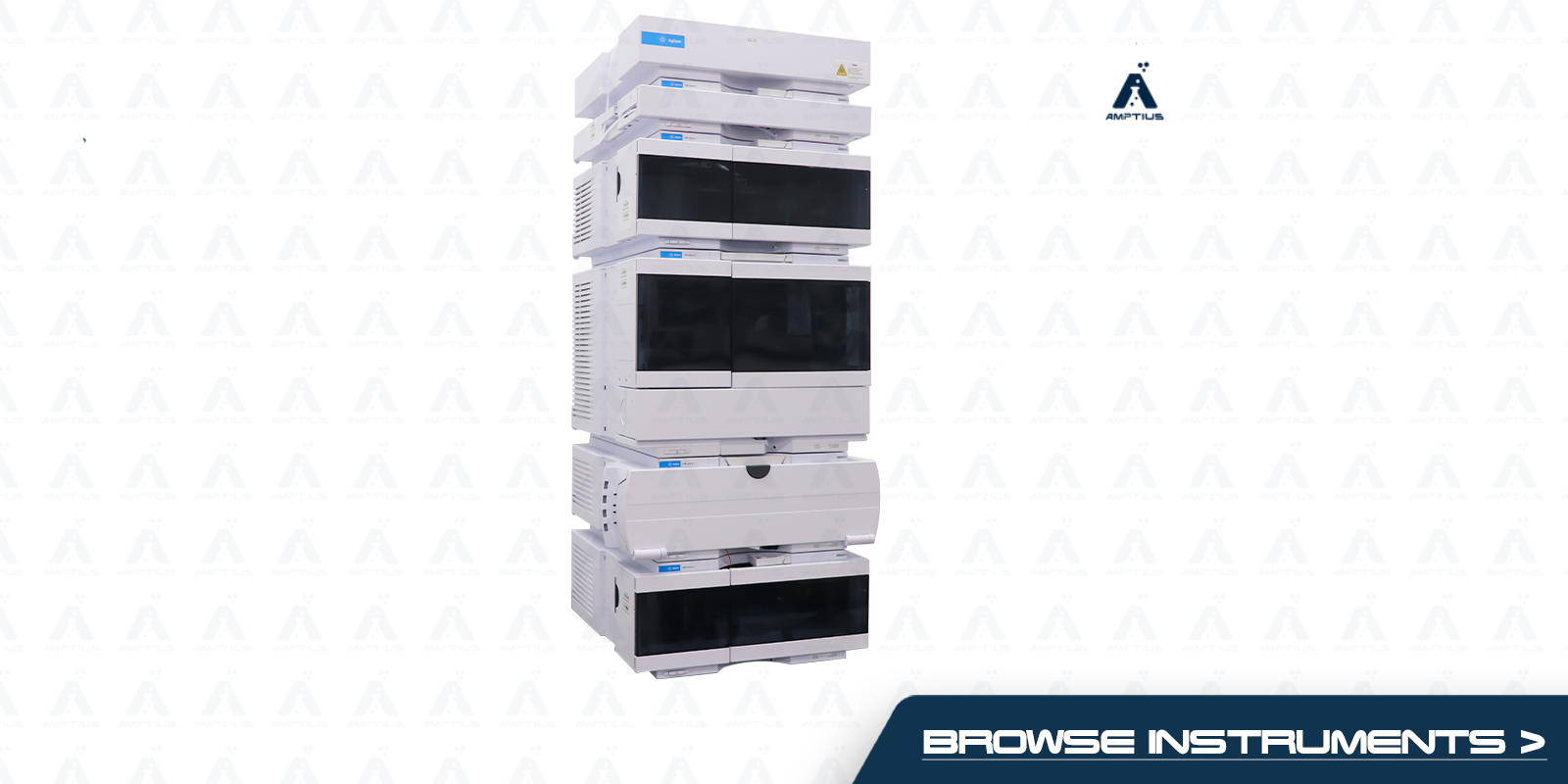
GOS are commonly analyzed using HPLC with refractive index detection (RID), high-performance anion-exchange chromatography with pulsed amperometric detection (HPAEC-PAD), or HPLC with post-column derivatization. These techniques provide robust and selective separation of galactooligosaccharides from other carbohydrates, including lactose and monosaccharides, which are often present in nutritional products. RID is widely used due to its non-destructive detection and suitability for direct quantification without derivatization. The instruments listed below are validated or widely accepted for carbohydrate profiling and meet the performance expectations outlined in SMPR 2014.003 when used with appropriate calibration and method validation. Their compatibility with common matrix types and ability to deliver low limits of quantitation make them ideal for regulatory and quality control testing of GOS in fortified formula products.
Please click here to learn more about AOAC Method SMPR 2014.003
Agilent 1260 Infinity II HPLC GPC/SEC System w/ RID Detector + IsoPump for AOAC Method SMPR 2014.003
The Agilent 1260 Infinity II HPLC GPC/SEC System configured with a refractive index detector and IsoPump provides a robust platform for GOS analysis in nutritional products. Its high-precision flow control and stable temperature management ensure accurate quantitation at low levels. The system is capable of meeting the required LOQ of ≤ 0.2 g/100 g, and its excellent reproducibility makes it compliant with SMPR 2014.003.
This platform is well-suited for laboratories performing routine quality control and regulatory testing. Its modular design supports flexible method development and validation workflows using NIST-traceable standards. The system is also compatible with common carbohydrate columns used in AOAC-compliant assays. With proper sample preparation and calibration, the 1260 Infinity II delivers strong performance across all required GOS targets.
Shimadzu Prominence-i LC-2030 Plus with RID-20A Detector for AOAC Method SMPR 2014.003
The Shimadzu Prominence-i LC-2030 Plus with RID-20A Detector offers a compact and integrated HPLC solution for quantifying galactooligosaccharides. Its refractive index detector delivers high baseline stability and sensitivity suitable for low-level carbohydrate detection. This system reliably meets the LOQ, recovery, and precision thresholds defined in AOAC SMPR 2014.003, making it ideal for regulated laboratories.
The LC-2030 Plus features intuitive software with automated calibration and data validation tools, simplifying AOAC method implementation. The system’s rapid startup and consistent flow performance support long sequences with minimal variation. It is widely used for routine analysis of GOS in both research and commercial testing labs. When paired with validated methods and internal standards, it ensures full compliance with AOAC requirements.
Waters Alliance HPLC System with 2414 Refractive Index Detector for AOAC Method SMPR 2014.003
The Waters Alliance HPLC system equipped with a 2414 refractive index detector provides a proven and widely adopted platform for saccharide analysis. Its high sensitivity and linear dynamic range support quantitation of GOS at levels down to 0.2 g/100 g. The system maintains excellent repeatability and low drift, meeting all precision and recovery criteria under SMPR 2014.003.
Waters’ Empower software enhances system traceability, calibration tracking, and audit readiness. The 2414 RID component offers robust performance for detecting GOS without derivatization. This system is commonly referenced in published carbohydrate profiling methods and supports validated AOAC workflows. With consistent retention time and reproducibility, the Alliance platform is a reliable choice for GOS analysis in nutritional matrices.
Thermo Scientific UltiMate 3000 HPLC System with RefractoMax RID for AOAC Method SMPR 2014.003
The Thermo Scientific UltiMate 3000 paired with a RefractoMax RID is engineered for precise oligosaccharide quantification in complex samples. Its highly stable refractive index detector, combined with advanced flow and temperature control, ensures accurate peak detection and integration. The system easily achieves an LOQ of ≤ 0.2 g/100 g and maintains %RSDr and %RSDR within AOAC’s required limits.
Chromeleon CDS software facilitates regulatory compliance with built-in system suitability checks and traceable data management. The system supports a variety of column chemistries tailored for GOS and similar prebiotic carbohydrates. Its dual-pump design also allows isocratic or gradient flexibility, enhancing separation performance. The UltiMate 3000 is frequently used in formula testing laboratories and provides validated results aligned with AOAC standards.
JASCO LC-4000 Series with RI-4035 Refractive Index Detector for AOAC Method SMPR 2014.003
The JASCO LC-4000 Series HPLC system, combined with the RI-4035 Refractive Index Detector, delivers excellent performance for non-derivatized sugar analysis. It provides stable baselines and accurate quantification across a wide GOS concentration range, meeting SMPR 2014.003 requirements. The detector’s low-noise characteristics ensure consistent sensitivity for samples near the 0.2 g/100 g LOQ.
The system supports automated gradient control and column temperature regulation, improving separation efficiency for diverse GOS structures. Spectra Manager software provides method validation tools and audit-compliant reporting. This platform is ideal for quality control labs analyzing infant and pediatric nutritional supplements. It is a versatile and cost-effective solution for routine AOAC-compliant testing.
Thermo Scientific Dionex ICS-6000 with PAD for AOAC Method SMPR 2014.003 for AOAC Method SMPR 2014.003
The Dionex ICS-6000 with pulsed amperometric detection (PAD) offers superior resolution and selectivity for GOS profiling using HPAEC. This method is especially valuable when distinguishing between mono-, di-, and oligosaccharide fractions. The system supports ultra-low LOQs and maintains precision within AOAC’s specifications for %RSDr and %RSDR.
Its integrated eluent generation and auto-suppression technology minimize baseline noise and operator intervention. Chromeleon software enables batch validation and automated system checks for reproducibility and calibration. The ICS-6000 is ideal for laboratories that require detailed carbohydrate speciation and high confidence in method selectivity. It fulfills SMPR 2014.003 compliance when paired with validated separation and detection protocols.
Shimadzu Nexera or LC-2030 Plus with Post-Column Derivatization for AOAC Method SMPR 2014.003
The Shimadzu Nexera or LC-2030 Plus, when configured with a post-column derivatization setup, is fully capable of supporting enzymatic or fluorescence-based GOS analysis. This approach enhances sensitivity and selectivity when refractive index detection is not optimal. When validated properly, the system meets the ≤ 0.2 g/100 g LOQ and precision/recovery requirements defined by AOAC SMPR 2014.003.
LabSolutions software integrates derivatization workflow control with advanced QA monitoring tools. The system’s stable temperature control and precise gradient delivery support consistent post-column reactions. This configuration is beneficial in cases where GOS must be separated from lactose or other interfering sugars. With appropriate calibration and derivatization reagents, the platform delivers reliable GOS measurements across a wide range of nutritional formulations.
Choosing the Right Instrument for AOAC Method SMPR 2014.003
- Top RID-based systems: Agilent 1260 Infinity II, Shimadzu LC-2030 Plus, Waters Alliance, and Thermo UltiMate 3000 for routine GOS quantification.
- High-resolution carbohydrate analysis: Thermo Dionex ICS-6000 with PAD for HPAEC methods when speciation is required.
- Versatile derivatization platforms: Shimadzu Nexera and LC-2030 Plus with post-column setup for enhanced sensitivity.
AOAC SMPR 2014.003 requires reliable detection of galactooligosaccharides in infant and pediatric formulas across diverse matrices. The instruments listed above support full compliance when configured with validated methods, calibration standards, and quality controls. Contact us today to explore certified refurbished systems designed for AOAC-compliant GOS testing.