
AOAC Method SMPR 2015.010 Instrumentation Guide
Standard Method Performance Requirements (SMPR) for Identification of Selected Cinnamomum spp. Bark
AOAC SMPR 2015.010 outlines the performance requirements for identifying selected Cinnamomum species bark in raw materials and finished dietary supplements. Methods must achieve a minimum 90% probability of identification (POI) in single-laboratory validation and 95% laboratory POI (LPOI) in multi-lab studies. The standard supports both chemical and genetic fingerprinting approaches. Methods must distinguish target species from non-targets with clear specificity and reproducibility. Vouchered botanical references are required, and results should be validated according to AOAC guidelines.
The instruments listed below meet the sensitivity and selectivity criteria necessary for method compliance with SMPR 2015.010. These include advanced HPLC systems with PDA detection, LC-MS/MS systems for confirmatory workflows, and real-time PCR systems for genetic authentication. Each platform has been evaluated for its ability to differentiate Cinnamomum species based on either chemical profiles or genetic markers. Laboratories can implement these systems for both regulatory compliance and routine quality assurance. They support traceable, validated protocols necessary in the dietary supplement industry.
Please click here to learn more about AOAC Method SMPR 2015.010
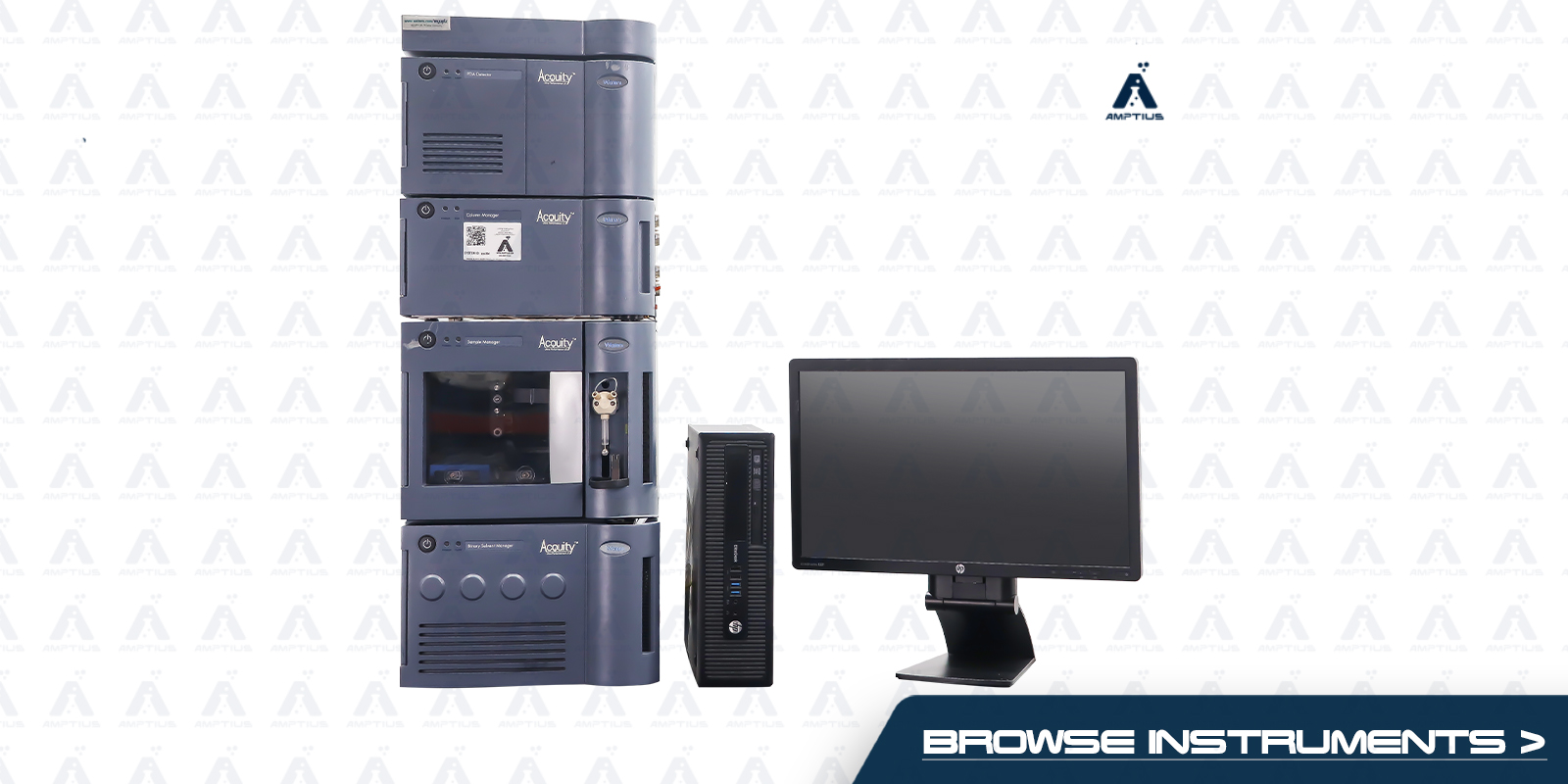
Waters Acquity UPLC System with Empower 3 PDA SM QSM CM for AOAC Method SMPR 2015.010
The Waters Acquity UPLC System with PDA detection provides exceptional resolution for identifying phytochemicals present in Cinnamomum species. Empower 3 software ensures streamlined data processing, making it easier to validate compound retention and spectral identity. This system supports high-throughput workflows with excellent peak separation and low carryover. Its PDA module captures UV-visible spectra, which is essential for distinguishing species based on complex chemical profiles. The platform is widely trusted in laboratories focused on botanical authentication and supplement testing.
Laboratories benefit from its robust method reproducibility and traceability features, which align with AOAC validation requirements. The system’s high-pressure capabilities and spectral match functions support qualitative botanical ID under SMPR 2015.010. Empower 3 also integrates system suitability checks and automated reporting tools. When paired with validated methods, the UPLC-PDA system ensures compliance across a wide variety of sample types. This configuration is ideal for regulatory testing of raw and finished Cinnamomum-containing products.
Agilent 1260 Infinity II HPLC with DAD Detector for AOAC Method SMPR 2015.010
The Agilent 1260 Infinity II HPLC System with DAD Detector delivers excellent chromatographic performance and spectral fidelity for differentiating Cinnamomum species. Its multi-wavelength monitoring enables simultaneous detection of key analytes, ensuring confident species-level identification. This capability is especially useful when targeting overlapping phytochemical markers. Its modular configuration allows customization for both low- and high-throughput environments. The system’s stability and robustness make it suitable for routine botanical QC testing.
Analysts can integrate Agilent’s OpenLab CDS software to manage retention times, track calibration standards, and verify peak purity. These features are critical for meeting SMPR 2015.010 requirements, particularly in multisite validation environments. The DAD provides full-spectrum UV detection, supporting qualitative and semi-quantitative workflows. When applied with validated SOPs, the 1260 Infinity II meets AOAC’s POI and selectivity criteria. It’s an established tool for supplement manufacturers working with botanical ingredients.
Waters Xevo TQ-S Micro Triple Quadrupole LC-MS/MS with Acquity I Class for AOAC Method SMPR 2015.010
The Waters Xevo TQ-S Micro, integrated with the Acquity I Class UPLC, delivers high-sensitivity quantitation of marker compounds unique to Cinnamomum species. This triple quadrupole system uses Multiple Reaction Monitoring (MRM) to distinguish species-specific analytes with accuracy. Its compact design and excellent signal-to-noise ratio enable labs to detect even low-abundance compounds. It also allows fast polarity switching, improving workflow efficiency without compromising sensitivity. The Xevo TQ-S is trusted by labs requiring confirmatory analysis.
Waters’ MassLynx software provides intuitive method development tools, calibration tracking, and audit-ready data output. When combined with botanical standards, the system facilitates the verification of identity in complex mixtures. It supports AOAC validation metrics such as LOD, precision, and reproducibility. Laboratories looking for confirmatory LC-MS/MS workflows can confidently implement the Xevo TQ-S Micro. Its compatibility with validated phytochemical markers makes it ideal for regulated environments.
Perkin Elmer QSight 420 LC/MS/MS Triple Quad System with UHPLC Front End for AOAC Method SMPR 2015.010
The Perkin Elmer QSight 420 LC-MS/MS is a robust system built for routine, high-precision botanical analysis. Its triple quadrupole configuration allows precise quantification of marker compounds, while the UHPLC front end ensures rapid separations. The system minimizes matrix interference and provides strong retention time repeatability. Its dual-source technology and collision cell design support detection of structurally similar Cinnamomum phytochemicals. This makes it well-suited for species differentiation as required by SMPR 2015.010.
The QSight platform includes Simplicity 3Q software for workflow optimization, calibration, and validation traceability. These tools ensure data integrity and reproducibility, which are critical in quality control settings. Laboratories use this system for both initial screening and confirmatory analysis. With validated botanical methods, the QSight 420 supports SMPR-aligned performance and regulatory documentation. It’s an ideal instrument for labs analyzing herbal materials and supplements under compliance pressure.
Agilent Ultivo Triple Quad LC-MS/MS System with 1260 Infinity II Front End for AOAC Method SMPR 2015.010
The Agilent Ultivo LC-MS/MS system offers compact, high-efficiency MRM-based detection of botanical markers. Paired with the 1260 Infinity II UHPLC, it delivers sharp peak resolution and consistent retention times across complex botanical matrices. The Ultivo is optimized for laboratories with space constraints but still needing reliable confirmatory analysis. Its Jet Stream technology enhances ionization efficiency, supporting low-level quantification of phytochemical targets.
MassHunter software provides system suitability metrics, audit trails, and retention time confirmation, ensuring SMPR 2015.010 compliance. This setup allows full validation across multiple sample types with reproducible results. The Ultivo platform’s precision and flexibility make it a solid choice for species-level botanical identification. When used with authenticated Cinnamomum reference materials, it meets all required selectivity and specificity metrics. It is widely used in both regulated and research laboratories.
Thermo Scientific TSQ Altis Plus Triple Quadrupole LC-MS/MS with Vanquish UHPLC for AOAC Method SMPR 2015.010
The Thermo TSQ Altis Plus LC-MS/MS system offers excellent sensitivity and specificity for botanical compound detection. Paired with the Vanquish UHPLC, it supports high-speed analysis with minimized baseline noise. The system’s Active Ion Management technology improves signal stability across a wide dynamic range. This allows analysts to accurately differentiate Cinnamomum species through targeted MRM transitions. The Altis Plus has become a popular choice for confirmatory phytochemical testing.
TraceFinder software automates system performance checks, calibration tracking, and peak review. These features help ensure compliance with SMPR 2015.010 standards. Laboratories using this system can detect and confirm trace-level botanical markers even in complex sample matrices. The instrument supports streamlined workflow integration and long-term assay consistency. It is a preferred platform for botanical authentication in quality assurance and R&D environments.
Shimadzu LCMS-8060NX with Nexera X3 UHPLC for AOAC Method SMPR 2015.010
The Shimadzu LCMS-8060NX system combines ultra-fast scanning with high signal-to-noise performance. Integrated with the Nexera X3 UHPLC, it enables high-throughput detection of trace botanical analytes. The system’s enhanced desolvation and ionization reduce variability, even across challenging herbal matrices. Its MRM library capabilities support confident identification of Cinnamomum species-specific markers. This configuration is ideal for laboratories needing consistent high-sensitivity workflows.
Shimadzu LabSolutions software offers system validation, data audit tools, and method traceability. These features align with AOAC’s requirements for repeatability, recovery, and selectivity. When applied with botanical reference materials, the LCMS-8060NX delivers robust results across multiple sample types. Its ability to operate under stringent quality control guidelines makes it a powerful asset in regulated testing environments. Labs implementing this system can ensure compliance with SMPR 2015.010 expectations.
SCIEX Triple Quad 6500+ LC-MS/MS with ExionLC AD for AOAC Method SMPR 2015.010
The SCIEX Triple Quad 6500+ LC-MS/MS system excels in ultra-trace detection of target analytes in complex botanical matrices. Paired with the ExionLC AD UHPLC, it achieves rapid cycle times and excellent retention time precision. The 6500+ offers scheduled MRM and dynamic collision energy optimization, enhancing detection of closely eluting marker compounds. Its Turbo V source improves ionization efficiency for accurate quantification. This system is highly regarded in identity testing of herbal ingredient…
SCIEX OS software supports real-time performance monitoring, full audit trail capture, and automated data validation. These tools ensure method compliance and reduce operator error. The platform’s scalability makes it suitable for high-volume identity confirmation in production and QA environments. When paired with authenticated botanical standards, the 6500+ fulfills AOAC method validation criteria. It is a trusted platform for Cinnamomum species testing workflows.
QuantStudio 12k Flex Real-Time Open Array qPCR System for AOAC Method SMPR 2015.010
The QuantStudio 12k Flex system supports high-throughput species identification using DNA barcoding techniques. Its OpenArray technology enables simultaneous amplification of multiple gene targets, such as ITS or matK, for Cinnamomum species discrimination. The AccuFill System ensures uniform sample delivery to all reaction wells. With its multiplexing capability and consistent performance, the QuantStudio supports AOAC SMPR 2015.010 requirements for probability of identification and selectivity.
Labs can integrate custom assays or barcoding panels into the platform for validated workflows. Thermo Fisher’s software tools provide statistical output and documentation for quality assurance. The system supports flexible experimental designs and large-scale authentication efforts. It is ideal for manufacturers needing to confirm botanical species in raw materials and blended formulations. The QuantStudio 12k Flex ensures accurate species-level resolution across complex sample types.
Applied Biosystems ABI 7500 Fast DX Real-Time PCR System for AOAC Method SMPR 2015.010
The ABI 7500 Fast DX Real-Time PCR System offers precise, low-cycle detection of DNA markers used in botanical authentication. It supports up to five-color multiplexing for species-specific probes. With its fast thermal cycling and software-guided setup, the system reduces turnaround time without compromising accuracy. Its compact footprint and proven track record make it ideal for reference labs and supplement manufacturers performing identity testing.
Using validated primer sets for species-level identification, the ABI 7500 meets SMPR 2015.010 requirements for repeatability and accuracy. SDS software enables compliance-ready data output and report generation. Laboratories can use this system to verify identity in both raw ingredients and finished goods. It remains a standard tool for PCR-based botanical authentication. The system supports consistent detection of Cinnamomum species in regulated environments.
Choosing the Right Instrumentation for AOAC Method SMPR 2015.010
- Primary HPLC systems: Waters Acquity UPLC with PDA and Agilent 1260 Infinity II HPLC with DAD
- Best for confirmatory analysis: SCIEX 6500+, Waters Xevo TQ-S Micro, and Thermo TSQ Altis Plus LC-MS/MS
- Genetic identification tools: QuantStudio 12k Flex and ABI 7500 Fast DX for DNA-based workflows
AOAC Method SMPR 2015.010 supports both chemical and genetic identification of Cinnamomum species used in dietary supplements. Laboratories must meet performance benchmarks for specificity, sensitivity, and reproducibility. The instruments listed above support validated workflows for botanical ID testing and regulatory compliance. We provide certified refurbished systems that meet AOAC SMPR 2015.010 standards. Contact us today to find the right instrumentation for your testing program.
