
AOAC Method SMPR 2021.015 Instrumentation Guide
Standard Method Performance Requirements (SMPRs) for Targeted Testing (TT) of Turmeric Adulterants
AOAC SMPR 2021.015 establishes method performance requirements for detecting turmeric adulterants, including lead chromate and synthetic dyes. Laboratories must use sensitive instruments capable of detecting lead, chromium, and dye contaminants at low concentrations. Commonly used technologies include ICP-MS, ICP-OES, and LC-MS/MS systems, provided they meet AOAC SMPR 2021.015 performance criteria. These instruments must deliver strong specificity, low LOQs, and minimal false positive rates. The systems listed below fully meet SMPR 2021.015 criteria, offering dependable solutions for targeted testing of turmeric authenticity and regulatory food safety compliance.
Methods must differentiate authentic turmeric from adulterants like Sudan dyes, Metanil Yellow, and lead chromate. Laboratories must achieve low detection limits, high recovery rates, and strong repeatability. Whether analyzing heavy metals or synthetic colorants, robust performance across complex matrices is required. Systems must maintain precision and selectivity while processing diverse turmeric-based products. The following instruments are fully aligned with AOAC SMPR 2021.015 and provide reliable workflows for food authenticity, dietary supplement verification, and regulatory adulteration screening.
Please click here to learn more about AOAC Method SMPR 2021.015
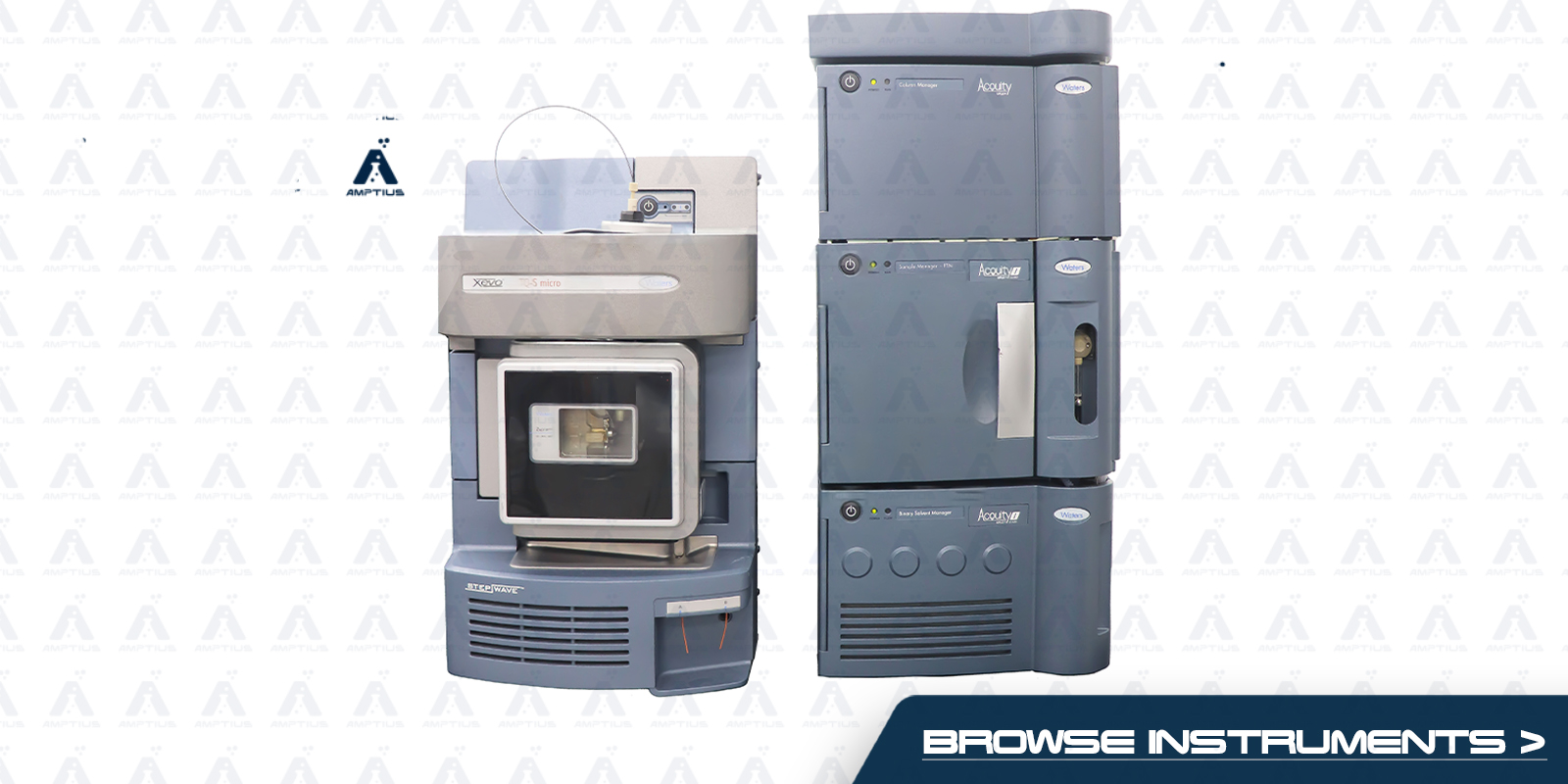
Waters Xevo TQ-S Micro Triple Quadrupole LC-MS/MS with ACQUITY I-Class UPLC for AOAC Method SMPR 2021.015
The Waters Xevo TQ-S Micro LC-MS/MS system, paired with the ACQUITY I-Class UPLC, offers outstanding sensitivity for synthetic dye detection. Its StepWave ion guide technology enhances ion transmission while reducing background noise. Laboratories can consistently detect adulterants like Sudan dyes and Metanil Yellow at low concentrations. The Xevo TQ-S Micro meets AOAC SMPR 2021.015 requirements for LOQ, precision, and recovery across turmeric powders, botanical extracts, and supplements with strong matrix resilience and reproducibility.
TargetLynx software automates peak integration, batch quantitation, and regulatory reporting workflows. Analysts benefit from streamlined data review and simplified method validation. The Xevo TQ-S Micro delivers compact design, excellent quantitative reliability, and low maintenance operation. Its proven stability across complex matrices makes it a trusted platform for laboratories conducting high-throughput screening for synthetic dye adulteration in turmeric products while supporting AOAC-compliant food authenticity verification programs worldwide.
Agilent Ultivo Triple Quad LC-MS/MS System with 1260 Infinity II Front End for AOAC Method SMPR 2021.015
The Agilent Ultivo Triple Quad LC-MS/MS system with 1260 Infinity II UHPLC offers high-throughput detection of synthetic dye adulterants in turmeric products. Its orthogonal spray technology improves ionization efficiency while minimizing matrix suppression effects. Laboratories can achieve low detection limits, strong peak shapes, and consistent quantitation across adulterants such as Rhodamine B, Sudan I–IV, and Metanil Yellow. The system meets sensitivity and precision targets defined in AOAC SMPR 2021.015 for turmeric authenticity screening.
MassHunter software enables automated method setup, real-time monitoring, and streamlined reporting workflows. Analysts benefit from rapid sample acquisition, batch quantitation, and simplified regulatory validation. The Ultivo system’s compact size, durable design, and reliable MRM transitions support efficient synthetic dye detection in high-volume laboratories. Its proven matrix tolerance and reproducibility make it a strong choice for facilities needing AOAC-compliant workflows for adulterant testing in turmeric and botanical supplement products.
PerkinElmer QSight 420 LC-MS/MS Triple Quad System with UHPLC Front End for AOAC Method SMPR 2021.015
The PerkinElmer QSight 420 LC-MS/MS system with UHPLC provides rugged and sensitive detection of synthetic dyes in turmeric-based products. Its dual-source ESI/APCI ionization supports flexible screening across a wide range of dye contaminants. Laboratories achieve low LOQs, strong recovery, and minimal matrix interferences, helping meet AOAC SMPR 2021.015 precision and sensitivity targets. The QSight 420 excels in complex turmeric matrices, delivering consistent results and dependable long-term operation for food safety verification.
Simplicity 3Q software simplifies method development, automated batch runs, and regulatory report generation. Analysts can easily set up dye screening methods and validate sample results with confidence. The system’s stability, low maintenance demands, and streamlined workflows make it ideal for high-throughput laboratories focused on turmeric authenticity verification. Laboratories benefit from consistent matrix tolerance, reproducible quantitation, and full compliance with AOAC method requirements for synthetic dye detection in botanical products.
ICP-MS NexION 2000B PerkinElmer Instrument with Autosampler, Chiller & UPS for AOAC Method SMPR 2021.015
The PerkinElmer NexION 2000B ICP-MS system offers ultra-trace elemental detection, critical for identifying lead and chromium adulterants in turmeric. Its advanced triple cone interface, quadrupole deflector, and dynamic reaction cell technology ensure high sensitivity and low spectral interference. Laboratories achieve low detection limits and reproducibility standards required by AOAC SMPR 2021.015. The NexION 2000B consistently delivers stable performance, helping food safety laboratories detect lead chromate adulteration with precision across turmeric powders and supplements.
NexION software automates sample introduction, calibration, and result validation workflows. Analysts benefit from streamlined method setup, easy sample batch management, and compliance-focused reporting. The system’s matrix tolerance, collision cell stability, and efficient sample throughput ensure laboratories can conduct heavy metal adulteration testing with full AOAC-compliant accuracy. The NexION 2000B offers dependable performance for food authenticity programs focused on turmeric safety and regulatory verification.
PerkinElmer Optima 8300 Continuous ICP-OES System for AOAC Method SMPR 2021.015
The PerkinElmer Optima 8300 ICP-OES system delivers reliable elemental analysis for lead and chromium detection in turmeric products. Its dual-view plasma system ensures strong sensitivity and accurate quantitation at sub-ppm levels. Laboratories achieve strong recovery rates, reproducibility, and compliance with AOAC SMPR 2021.015 requirements for lead chromate adulterant screening. The Optima 8300 offers robust operation, minimal maintenance needs, and consistent batch-to-batch stability across food authenticity testing workflows.
WinLab32 software automates sample introduction, calibration curve setup, and regulatory reporting. Analysts benefit from simplified method validation, batch acquisition, and reproducible results across different turmeric matrices. The system’s high sample throughput and rugged design make it an excellent choice for laboratories requiring efficient, AOAC-compliant workflows for heavy metal detection in botanical ingredients and dietary supplements. It supports reliable turmeric adulteration testing with confidence and regulatory assurance.
Shimadzu ICPMS-2030 for AOAC Method SMPR 2021.015
The Shimadzu ICPMS-2030 system offers highly sensitive, reliable elemental analysis for detecting lead and chromium in turmeric samples. Its helium collision cell reduces spectral interferences while maintaining low LOQs and strong analytical precision. Laboratories can meet AOAC SMPR 2021.015 requirements for recovery, reproducibility, and specificity. The system’s durability, efficient sample introduction, and minimal operator intervention streamline turmeric authenticity verification workflows across food safety laboratories worldwide.
LabSolutions software provides intuitive control of sample acquisition, batch reporting, and regulatory documentation. Analysts achieve fast, accurate heavy metal screening with simplified method management. The ICPMS-2030 system is ideal for laboratories focused on botanical authenticity testing, delivering reproducible results, matrix resilience, and high sample throughput. Its proven elemental accuracy and reproducibility ensure laboratories meet stringent AOAC standards when verifying turmeric-based product authenticity and safety for consumers.
Thermo Scientific iCAP 7400 ICP-OES for AOAC Method SMPR 2021.015
The Thermo Scientific iCAP 7400 ICP-OES system delivers accurate multielemental analysis for detecting lead and chromium adulterants in turmeric samples. Its radial plasma view provides excellent analytical stability and precision across complex food matrices. Laboratories achieve sub-ppm detection limits while meeting recovery and reproducibility standards outlined in AOAC SMPR 2021.015. The iCAP 7400 ensures reliable food authenticity workflows focused on turmeric adulteration screening through efficient, compliant elemental testing protocols.
Qtegra Intelligent Scientific Data Solution software automates full sample management, data integration, and regulatory reporting. Analysts benefit from easy batch runs, simplified calibration curve generation, and durable operation. The iCAP 7400 ICP-OES system provides high sample throughput, minimal downtime, and trusted performance across turmeric powders, extracts, and supplements. Laboratories conducting food authenticity testing rely on this system for reliable, AOAC-compliant heavy metal detection workflows focused on consumer safety.
Choosing the Right Instrumentation for AOAC Method SMPR 2021.015
- For synthetic dye detection: Waters Xevo TQ-S Micro, Agilent Ultivo, and PerkinElmer QSight 420 LC-MS/MS systems offer reliable adulteration screening solutions.
- For heavy metal detection: PerkinElmer NexION 2000B, Shimadzu ICPMS-2030, Thermo iCAP 7400 ICP-OES, and PerkinElmer Optima 8300 provide proven elemental analysis platforms.
If you are looking for a reliable and cost-effective solution to meet AOAC SMPR 2021.015 requirements, we offer a wide range of certified refurbished LC-MS/MS, ICP-MS, and ICP-OES systems. Each instrument undergoes rigorous testing to ensure compliance with regulatory standards while providing excellent performance for adulterant detection. Contact us today to learn how our refurbished systems can help your laboratory implement efficient, AOAC-compliant workflows at a fraction of the cost of new equipment.
