
EPA Method 506 Instrumentation Guide
EPA Method 506 is an approved U.S. Environmental Protection Agency protocol for determining phthalate esters in drinking water using gas chromatography with photoionization detection (GC-PID). It is designed to identify and quantify compounds such as DEHP, DBP, and DEP at low microgram-per-liter levels. For laboratories to achieve consistent and reproducible results, selecting a high-performance GC system with sensitive PID detection is essential. Proper instrumentation ensures method compliance, enhances data reliability, and supports regulatory drinking water monitoring programs.
Instruments used for EPA Method 506 must offer excellent chromatographic resolution, stable temperature control, and dependable autosampler compatibility. Reliable performance across multiple samples is key to meeting regulatory expectations and maintaining data accuracy. Below, we highlight GC systems from Agilent, Shimadzu, Thermo Scientific, PerkinElmer, and Scion Instruments that fully meet the requirements of Method 506. These platforms offer precise detection of phthalates, consistent sample throughput, and integration with software solutions for streamlined EPA-compliant reporting.
Please click here to learn more about Method 506.
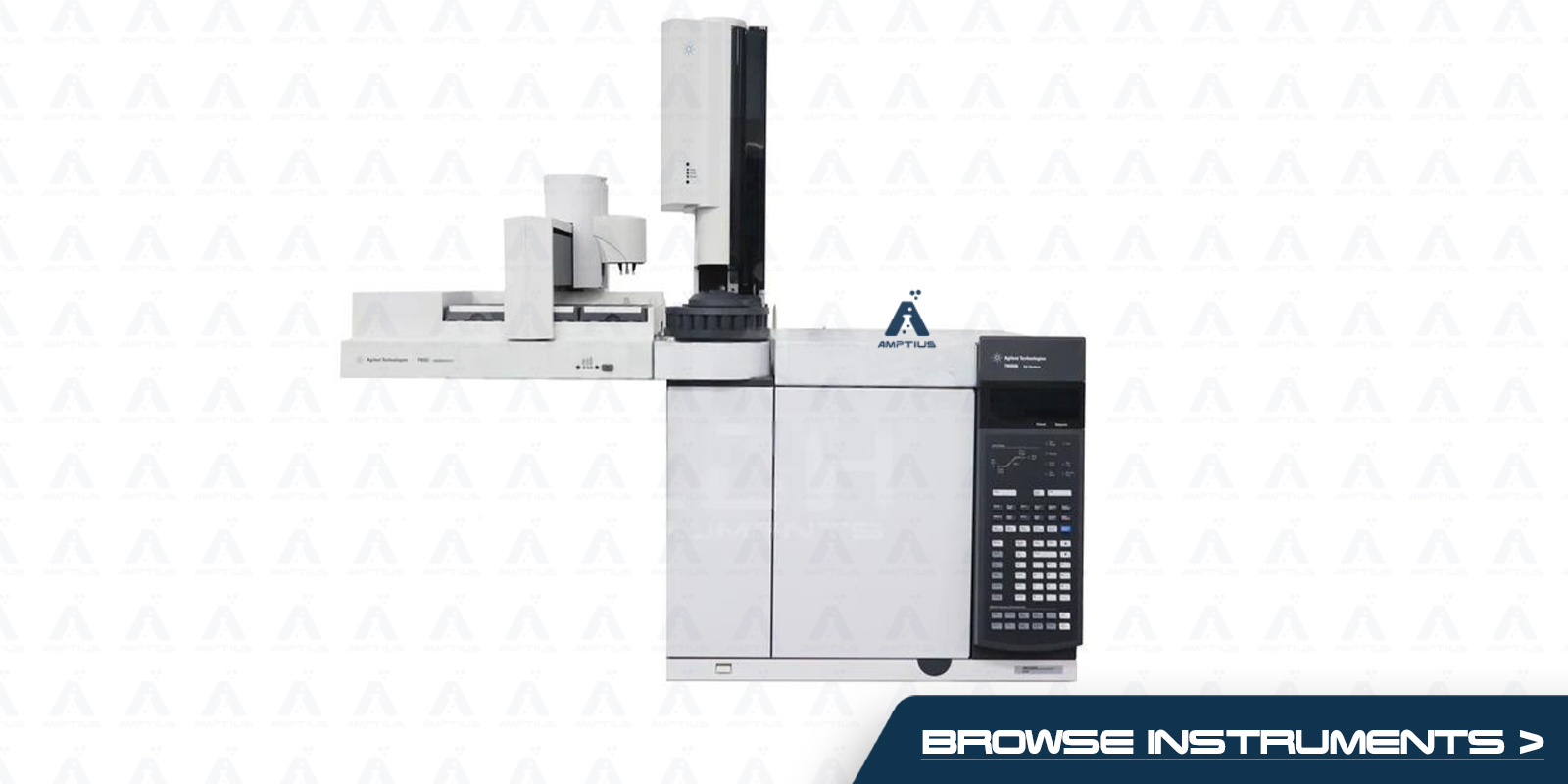
Agilent 7890B GC with PID and 7693 Autosampler for EPA Method 506
The Agilent 7890B GC equipped with a photoionization detector and 7693 autosampler is a proven system for phthalate analysis under EPA Method 506. It offers precise retention time stability, high analytical sensitivity, and superior chromatographic performance. The electronic pneumatic control ensures accurate flow management for reproducible separations. Its temperature programming provides optimized peak resolution, critical for distinguishing structurally similar phthalates in complex water samples.
Agilent’s 7693 autosampler enables automated, high-throughput sample injection with low carryover. Integrated with OpenLab CDS software, the system simplifies calibration, quality control tracking, and data reporting. This GC-PID configuration is ideal for drinking water laboratories that need regulatory accuracy, high sample throughput, and reproducibility. Its robust performance and intuitive interface make it a trusted choice for compliance-driven testing environments focused on phthalate detection and monitoring.
Shimadzu GC-2010 Plus with PID for EPA Method 506
The Shimadzu GC-2010 Plus with PID provides high-resolution chromatographic separation and reliable phthalate detection in accordance with EPA Method 506. Its precise control over temperature and gas flow enables consistent peak retention, while the PID detector delivers strong sensitivity for aromatic esters. The system’s durable design and excellent stability make it ideal for routine water quality testing in regulatory laboratories.
With LabSolutions software, users gain full control over instrument operation, data acquisition, and EPA-compliant report generation. The system supports automated calibration and batch processing, enhancing workflow efficiency. The GC-2010 Plus is valued for its low maintenance needs and excellent long-term stability. It is a reliable solution for environmental testing facilities focused on accurate and cost-effective analysis of phthalate esters in drinking water samples.
Thermo Scientific TRACE 1310 GC with PID for EPA Method 506
The Thermo Scientific TRACE 1310 GC system, configured with a photoionization detector, is fully compatible with EPA Method 506 for phthalate monitoring. Its modular design allows easy customization and maintenance, while its PID delivers precise quantification of volatile organics. The system’s oven design ensures stable temperature gradients and rapid cycling, which is essential for reproducible phthalate analysis in high-throughput environments.
With Chromeleon CDS software, laboratories benefit from powerful automation tools, QA/QC management, and built-in compliance reporting. The TRACE 1310’s performance and ease of operation make it a go-to platform for analytical labs testing drinking water. Its balance of sensitivity, speed, and user-friendly features supports consistent regulatory compliance, reduced manual input, and minimized variability across sample sets for EPA Method 506 workflows.
PerkinElmer Clarus 590 GC with PID for EPA Method 506
The PerkinElmer Clarus 590 GC with PID detection is designed for laboratories performing phthalate analysis under EPA Method 506. Its advanced detector technology offers strong sensitivity to aromatic compounds, while its programmable oven ensures consistent retention times and sharp peak resolution. This GC system is engineered for reliability and offers excellent thermal performance for consistent analysis over extended use.
Integrated with PerkinElmer’s TotalChrom software, the system simplifies calibration, batch processing, and regulatory documentation. The Clarus 590’s compatibility with a range of autosamplers supports enhanced throughput and reproducibility. With a reputation for durability and precision, the Clarus 590 GC is a smart choice for public utilities and contract laboratories that require dependable phthalate testing for compliance monitoring and EPA data reporting under Method 506.
Scion Instruments 436-GC with PID for EPA Method 506
The Scion 436-GC system, configured with a photoionization detector, delivers high sensitivity and reproducibility for phthalate ester detection under EPA Method 506. The system provides precise temperature control and electronic pneumatic regulation, enabling consistent chromatographic resolution across complex water samples. Its advanced detector supports trace-level identification of regulated phthalates with minimal signal drift.
Scion’s Compass CDS software simplifies analytical workflows by offering automated calibration, method development, and EPA-compliant reporting. With its flexible configuration, the 436-GC adapts well to routine environmental testing scenarios. Its compact footprint and intuitive interface make it ideal for laboratories needing cost-effective, yet high-performing GC systems to support accurate phthalate analysis under the EPA’s regulatory standards for Method 506.
Choosing the Right GC-PID System for EPA Method 506
- Agilent 7890B – Exceptional performance, automation, and stability for high-throughput compliance testing.
- Shimadzu GC-2010 Plus – Trusted platform with reliable PID detection and efficient software integration.
- Thermo TRACE 1310 – Flexible modular system with fast cycle times and advanced reporting tools.
- PerkinElmer Clarus 590 – Rugged and user-friendly GC system with excellent detection for phthalate esters.
- Scion 436-GC – Efficient, compact GC-PID system tailored for trace-level VOC and phthalate analysis.
Accurate phthalate monitoring under EPA Method 506 requires GC-PID instrumentation that delivers sensitivity, consistency, and automation. Each of the featured systems supports laboratories in achieving regulatory compliance while optimizing workflow efficiency. Contact us today to explore certified refurbished GC systems designed for Method 506 and discover solutions that enhance your lab’s analytical capabilities.