
EPA Method 515.4 Instrumentation Guide
EPA Method 515.4 is a widely used analytical procedure for determining chlorinated acids in drinking water. This method uses gas chromatography with electron capture detection (GC-ECD) for the precise quantification of regulated pesticide residues. EPA 515.4 is crucial for monitoring groundwater and surface water sources impacted by agricultural runoff and herbicide application. Accurate compliance testing requires GC-ECD systems that offer superior chromatographic resolution, stable operation, and low detection limits for trace-level pesticide contaminants in complex water matrices.
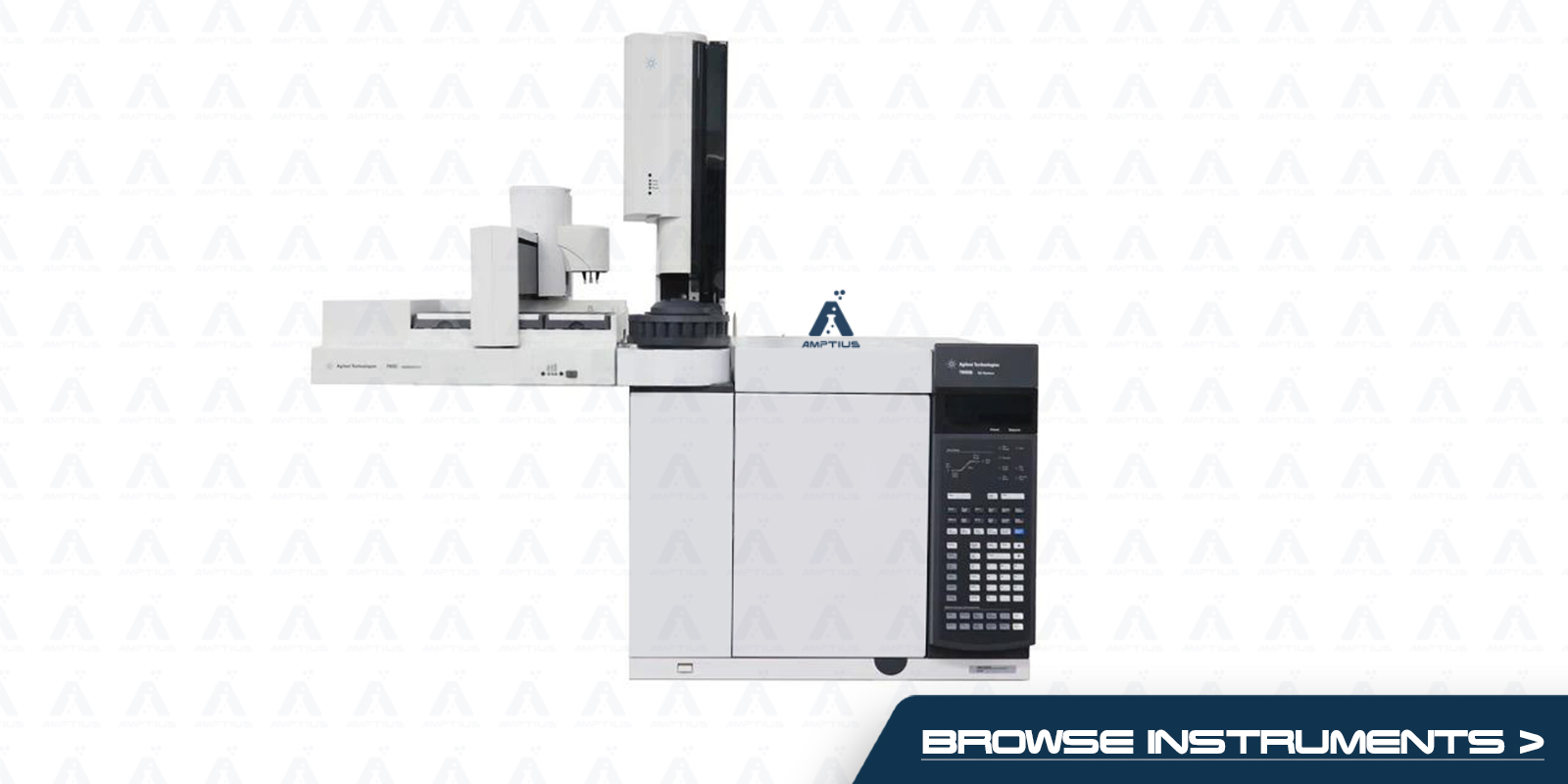
To ensure compliance with EPA Method 515.4, laboratories must utilize gas chromatographs equipped with electron capture detectors, capable of detecting halogenated compounds at sub-part-per-billion concentrations. Systems should support consistent injection volumes, advanced temperature programming, and automated sample handling. Below, we explore leading GC-ECD platforms that meet the analytical performance standards of EPA Method 515.4. These instruments provide accurate quantification, high reproducibility, and seamless integration for regulatory pesticide testing in drinking water analysis workflows.
Please click here to learn more about Method 515.4
Agilent 7890B GC with ECD and 7693 Autosampler for EPA Method 515.4
The Agilent 7890B GC system, paired with an electron capture detector (ECD) and 7693 autosampler, offers outstanding performance for EPA Method 515.4 pesticide analysis. It features advanced electronic pneumatic control (EPC), ensuring consistent gas flow and superior peak resolution. The system’s temperature-stable oven enhances reproducibility for chlorinated acid herbicides, while the autosampler automates injection workflows for increased throughput and minimal carryover. Agilent’s long-standing reputation for precision makes this an ideal platform for trace-level pesticide detection.
Laboratories conducting high-throughput drinking water testing benefit from the 7890B’s reliable retention time stability and low detection limits. Combined with Agilent’s ChemStation or OpenLab CDS software, the system simplifies regulatory reporting and data validation. With its exceptional analytical sensitivity and robustness, the 7890B GC-ECD is well-suited for EPA 515.4 compliance, offering confidence in method performance, data integrity, and operational efficiency in environmental laboratories.
Shimadzu GC-2010 Plus with ECD for EPA Method 515.4
The Shimadzu GC-2010 Plus is a versatile gas chromatograph designed to meet the exacting standards of EPA Method 515.4. Featuring a high-sensitivity electron capture detector, this system delivers accurate quantification of chlorinated pesticide residues in drinking water. Its precise flow control, stable oven performance, and user-friendly interface make it ideal for laboratories focused on regulatory compliance and data quality. The GC-2010 Plus provides a reliable foundation for repeatable results and consistent method performance.
With optional automation features and software integration via LabSolutions, the GC-2010 Plus simplifies sample management and reporting. The instrument’s ability to maintain sharp peak symmetry and reduce background noise ensures excellent performance, even when analyzing trace pesticide concentrations. For labs seeking a reliable, cost-effective GC-ECD solution with robust capabilities, the Shimadzu GC-2010 Plus delivers exceptional value in EPA 515.4 pesticide analysis workflows.
Thermo Scientific TRACE 1310 GC with ECD for EPA Method 515.4
The Thermo Scientific TRACE 1310 GC with ECD is engineered for high-precision pesticide analysis in compliance with EPA Method 515.4. Its modular design allows easy customization for method-specific requirements, including optimized injector and detector configurations. The TRACE 1310 features precise temperature control, powerful split/splitless injection options, and consistent oven programming to support the accurate quantification of halogenated herbicides at low detection levels in drinking water samples.
This system integrates with Thermo’s Chromeleon CDS software, enabling automated quality checks, data processing, and regulatory documentation. The ECD module delivers excellent signal-to-noise ratio, minimizing interferences in complex water matrices. With its focus on accuracy, flexibility, and ease of operation, the TRACE 1310 GC-ECD system offers reliable results and scalable productivity for environmental laboratories implementing EPA Method 515.4.
PerkinElmer Clarus 690 GC with ECD for EPA Method 515.4
The PerkinElmer Clarus 690 GC, equipped with a highly sensitive ECD, is purpose-built for environmental labs performing EPA Method 515.4 pesticide testing. It features a fully programmable injector, rapid oven ramping, and advanced electronic pressure control for consistent chromatographic separation. The Clarus 690’s intuitive touchscreen interface and TotalChrom software simplify operation, allowing users to focus on throughput and data reliability without compromising performance.
This system is compatible with high-throughput autosamplers and is ideal for detecting low concentrations of chlorinated acids in drinking water. The ECD delivers superior halogen compound sensitivity, supporting the detection of regulated analytes well below reporting limits. Whether used in routine monitoring or compliance testing, the Clarus 690 GC provides dependable results and long-term stability, making it a valuable asset in environmental laboratories applying EPA Method 515.4.
Scion Instruments 456-GC with ECD for EPA Method 515.4
The Scion 456-GC system with ECD is an excellent solution for EPA Method 515.4 applications, offering high sensitivity and rugged performance for pesticide residue analysis. The system’s advanced thermal zone management ensures stable chromatographic conditions, critical for reproducibility across multiple sample runs. Scion’s platform supports dual-detector configurations, enabling flexibility for labs analyzing a variety of halogenated compounds in complex drinking water matrices.
The integrated software platform provides streamlined data acquisition and full regulatory reporting capabilities. Combined with automated sample injection options, the 456-GC delivers high throughput and minimal carryover. Known for its durability and reliability, this instrument supports compliance testing under EPA Method 515.4 while maintaining excellent precision, making it an ideal choice for both public and private water testing facilities.
Choosing the Right GC-ECD Instrument for EPA Method 515.4
- For high-throughput analysis: Agilent 7890B GC with 7693 autosampler ensures automation and peak accuracy.
- For budget-friendly compliance: Shimadzu GC-2010 Plus and PerkinElmer Clarus 690 provide affordability without compromising performance.
- For data integration and method scalability: Thermo TRACE 1310 and Scion 456-GC offer robust analytical workflows with modern CDS compatibility.
EPA Method 515.4 demands high-performance GC-ECD systems for the accurate detection of chlorinated pesticides in drinking water. Instruments from Agilent, Shimadzu, Thermo Scientific, PerkinElmer, and Scion Instruments meet the method’s requirements and offer dependable performance in regulatory testing. As a certified refurbisher, we provide expertly tested and validated systems at a reduced cost. Contact us today to find the right solution for your EPA Method 515.4 pesticide analysis needs.