
EPA Method 522 Instrumentation Guide
EPA Method 522 is a U.S. Environmental Protection Agency-approved procedure for detecting 1,4-dioxane in drinking water using gas chromatography-mass spectrometry (GC-MS). The method operates in Selected Ion Monitoring (SIM) mode and requires high sensitivity and precision to detect ultra-trace levels of 1,4-dioxane. Laboratories must implement instrumentation that ensures stable performance, reliable electron ionization, and full compatibility with method detection limits. Software support for quality control, calibration, and reporting is also essential for compliance.
Sample preparation under EPA Method 522 is performed using solid-phase extraction (SPE) with activated carbon cartridges, followed by elution and solvent exchange. To meet performance criteria, GC-MS systems must maintain chromatographic resolution, minimize carryover, and demonstrate reproducible SIM responses. While EPA Method 522 does not endorse specific brands, several commercially available GC-MS systems have been validated for use with this method. Below are five examples of systems that have been successfully used in laboratories following EPA 522 protocols.
Please click here to learn more about Method 522.
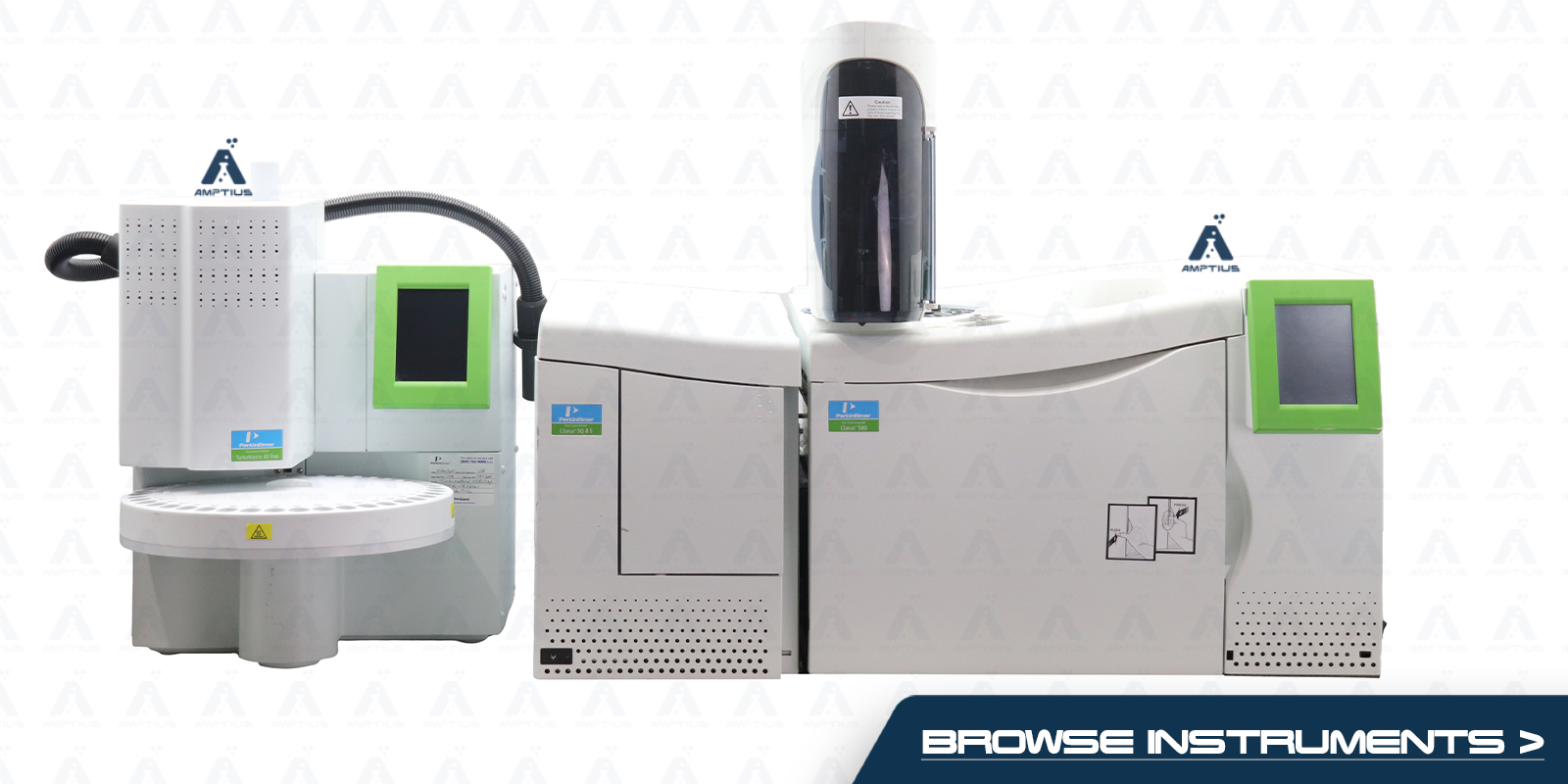
PerkinElmer Clarus 580 GC-MS with Clarus SQ 8 S for EPA Method 522
The PerkinElmer Clarus 580 GC-MS, coupled with the Clarus SQ 8 S mass spectrometer, offers a practical solution for laboratories performing 1,4-dioxane analysis. This single quadrupole platform supports SIM-mode operation with reliable electron ionization, fulfilling core requirements of EPA Method 522. Its modular design accommodates SPE-prepared liquid samples with strong chromatographic reproducibility. Laboratories have used this setup in routine trace-level environmental monitoring workflows.
TotalChrom software supports regulatory reporting and data review, though any EPA-compliant CDS may be used. While the Clarus system optionally supports headspace modules like the TurboMatrix Trap 40, this feature is not applicable to EPA 522, which requires direct injection after SPE. The Clarus 580 GC-MS system is often selected by smaller public health labs or contract facilities seeking a reliable, cost-efficient option for drinking water testing.
Agilent 8890 / 5977 Inert Plus GC-MS System with 7693 Autosampler for EPA Method 522
The Agilent 8890 GC integrated with the 5977 Inert Plus MS is widely used for trace contaminant analysis in drinking water. This system supports SIM mode and offers excellent signal-to-noise ratios, helping labs meet detection limits required by EPA Method 522. Its deactivated flow path prevents analyte degradation, and its precise oven control supports repeatable retention times across multiple runs.
Paired with the 7693 autosampler, this platform delivers high-throughput injections and consistent injection volumes. Laboratories benefit from Agilent’s MassHunter software for method setup, calibration management, and batch-level reporting. Although the EPA does not specify instruments, this configuration has become a trusted example among compliance-driven laboratories conducting 1,4-dioxane monitoring under Method 522.
Thermo Scientific TRACE 1310 GC with ISQ Single Quadrupole MS for EPA Method 522
The Thermo Scientific TRACE 1310 GC system combined with the ISQ single quadrupole MS provides excellent SIM-mode performance for 1,4-dioxane quantification. It features EI capability, flexible injector configurations, and robust flow stability. This makes it well-suited for long analytical runs and repeated injections in regulatory testing environments. The system is fully compatible with liquid samples obtained through SPE.
Thermo’s Chromeleon CDS provides integrated tools for EPA reporting, including audit trails and QA/QC monitoring. The TRACE 1310 is scalable with modular components, allowing labs to expand capabilities without changing the core hardware. This system is commonly used in utility and academic labs requiring high reliability and regulatory alignment with Method 522 procedures.
Shimadzu GCMS-QP2020 NX for EPA Method 522
The Shimadzu GCMS-QP2020 NX is a single quadrupole GC-MS platform engineered for ultra-trace compound analysis. It supports SIM-mode detection with high-speed scanning and a wide dynamic range, making it suitable for 1,4-dioxane measurement as required by EPA Method 522. Its electron ionization source and precise control of injection parameters help reduce variability across sample sets.
Shimadzu’s LabSolutions software enables full automation of EPA-compliant methods, including quality control tracking, calibration verification, and data export functions. The GCMS-QP2020 NX has been adopted by water utilities and environmental labs for its stable performance and low operating cost. It is considered a strong candidate for labs requiring dependable 1,4-dioxane analysis without added system complexity.
Bruker SCION SQ GC-MS for EPA Method 522
The Bruker SCION SQ GC-MS system offers a practical and flexible solution for laboratories analyzing 1,4-dioxane in drinking water. It supports full SIM mode functionality with a single quadrupole mass analyzer and a robust EI source. The system demonstrates low detection limits and consistent response, aligning with the expectations of EPA Method 522. SPE sample introduction is fully supported via standard GC injection ports.
Bruker’s Compass CDS provides method control and traceability features required for EPA reporting. The SCION SQ can be configured with either the 436 or 456 GC, and autosamplers like the CP-8400. The platform is designed for ease of use across both entry-level and experienced operators. It has been successfully implemented in routine monitoring programs focused on compliance testing for drinking water safety.
Choosing the Right GC-MS System for EPA Method 522
- PerkinElmer Clarus 580: Cost-effective and widely used in small labs; not used with headspace for Method 522.
- Agilent 8890 / 5977: Offers outstanding sensitivity, inert flow paths, and regulatory-ready software integration.
- Thermo TRACE 1310 ISQ: Modular system ideal for method scaling, regulatory documentation, and stable GC-MS performance.
- Shimadzu QP2020 NX: High-speed platform with robust automation and low detection limits for regulated testing.
- Bruker SCION SQ: Simple, efficient platform for labs seeking reproducible, SIM-mode performance at an accessible price point.
Each GC-MS system above represents a validated example of instrumentation compatible with the analytical and preparation requirements of EPA Method 522. While EPA does not endorse specific models, these systems meet the sensitivity, reproducibility, and quality control thresholds defined by the method. Laboratories must ensure instrument performance through internal validation and continuous QA oversight. Choosing the right configuration can optimize throughput, reduce operational costs, and ensure full compliance with EPA guidelines for 1,4-dioxane in drinking water.
Contact us today to explore refurbished GC-MS platforms optimized for EPA Method 522 applications. Our team can assist you in selecting systems that align with your testing needs and regulatory objectives.