
EPA Method 3546 Instrumentation Guide
EPA Method 3546 describes microwave-assisted extraction (MAE) for isolating organic compounds from solid environmental matrices such as soil, sludge, and sediment. This technique uses controlled microwave energy to accelerate the extraction of semi-volatile organic compounds (SVOCs), pesticides, polychlorinated biphenyls (PCBs), and other contaminants. Compared to traditional extraction methods, MAE offers improved reproducibility, reduced solvent consumption, and faster extraction times. The method ensures uniform heating and minimizes the loss of volatile analytes, improving overall sample integrity during the extraction process.
Following extraction, accurate identification and quantification of contaminants require high-performance analytical instruments such as Gas Chromatography (GC), Gas Chromatography-Mass Spectrometry (GC-MS), and High-Performance Liquid Chromatography (HPLC). These technologies enable the separation, detection, and analysis of complex organic mixtures. Choosing the right analytical platform is essential for ensuring compliance with EPA standards, improving data reliability, and optimizing laboratory workflows. Below are recommended instruments that support EPA Method 3546 across GC, GC-MS, and HPLC applications.
Please click here to learn more about Method 3546.
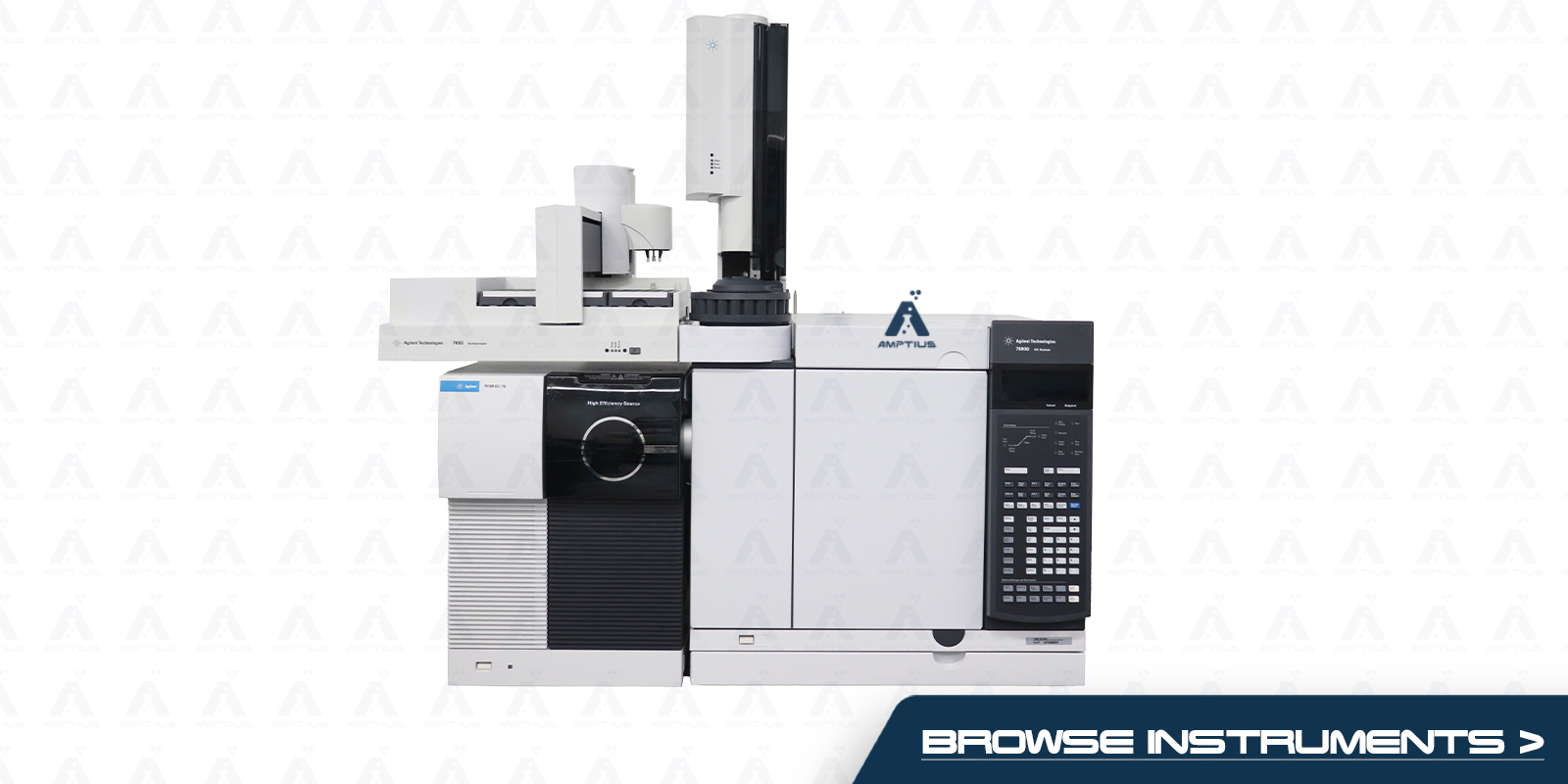
Agilent 7890B/7010B Triple Quadrupole GC-MS for EPA Method 3546
The Agilent 7890B/7010B Triple Quadrupole GC-MS system is engineered for high-sensitivity detection of trace-level organic contaminants extracted via MAE. With advanced multiple reaction monitoring (MRM), this system ensures precise quantification of SVOCs, PCBs, and pesticides even in complex matrices. Its Electron Ionization (EI) source, stable retention times, and low background noise make it a trusted choice for compliance testing. Integrated automation, including the 7693 Autosampler, enhances throughput and reduces operator error in environmental laboratories.
This platform provides excellent selectivity and reproducibility, enabling laboratories to meet the stringent detection limits set by EPA Method 3546. The system’s MassHunter software simplifies regulatory reporting, data acquisition, and method optimization. Designed for high-throughput operations, it offers fast scan speeds and robust performance in routine environmental analysis. For labs needing ultra-trace quantification and consistent performance, the 7890B/7010B delivers exceptional sensitivity and long-term reliability.
Waters Xevo TQ-GC with Agilent 8890 GC for EPA Method 3546
The Waters Xevo TQ-GC Triple Quadrupole MS, paired with the Agilent 8890 GC, offers high-throughput analysis and advanced selectivity for dioxins, SVOCs, and other organics. With high-efficiency SRM capabilities and fast data acquisition, it is ideal for analyzing trace contaminants extracted via microwave-assisted techniques. The PAL RSI Autosampler enhances automation, ensuring consistent sample injection while reducing manual handling errors.
This system offers optimized spectral clarity and minimal matrix interference, improving detection accuracy in challenging sample types. Its reliable software environment supports EPA Method 3546 data validation, compliance tracking, and documentation. Laboratories benefit from its rapid throughput, low maintenance, and high repeatability, making it an excellent investment for large-scale environmental monitoring and regulatory testing programs.
Shimadzu Nexis GC-2030 with QP2020 NX GC-MS for EPA Method 3546
The Shimadzu Nexis GC-2030 combined with the QP2020 NX GC-MS delivers superior analytical performance for MAE-extracted samples. Its high-sensitivity quadrupole MS and advanced ion optics enhance mass accuracy and reduce noise. Designed for flexibility and speed, the system offers powerful separation capabilities for PCBs, SVOCs, and chlorinated pesticides in complex matrices. A user-friendly interface and real-time monitoring streamline method operation and boost lab productivity.
The system supports automated sample handling, system diagnostics, and method optimization. Its Eco-mode reduces gas consumption, offering long-term cost savings. The GC-2030’s modular configuration and fast oven performance improve separation while maintaining high throughput. For laboratories seeking rugged, efficient, and scalable GC-MS technology aligned with EPA Method 3546, this Shimadzu platform delivers consistent, regulatory-grade results.
Thermo Scientific TRACE 1310 GC with ISQ 7610 GC-MS for EPA Method 3546
The TRACE 1310 GC with the ISQ 7610 GC-MS from Thermo Scientific is tailored for robust environmental applications. Its ExtractaBrite ion source and quadrupole technology ensure low detection limits and precise mass resolution. The system offers excellent repeatability for MAE-extracted SVOCs and PCBs, making it well-suited for environmental labs conducting high-volume regulatory testing. Its modular GC design supports various detectors and inlet options, adding flexibility for evolving laboratory workflows.
Coupled with Thermo’s Chromeleon software, the ISQ 7610 enables seamless automation, data review, and compliance documentation. Automated calibration and quality control tools help laboratories maintain consistency across multiple runs. This platform supports method scalability and provides dependable results with minimal maintenance, aligning well with EPA Method 3546 instrumentation needs for organic compound analysis.
Shimadzu Nexera X2 UHPLC for EPA Method 3546
The Shimadzu Nexera X2 UHPLC is a high-speed, high-resolution liquid chromatography system ideal for the analysis of polar and thermally labile organic compounds from MAE. It offers efficient separation with minimal carryover and supports multi-detector configurations, including UV and MS. With ultra-fast injection cycles and accurate flow control, it ensures excellent reproducibility and throughput for laboratories analyzing complex environmental matrices.
The system is equipped with LabSolutions software, simplifying method setup, validation, and regulatory reporting. Its low-dead-volume flow path improves peak shape and resolution, ensuring accurate quantification of trace organics. The Nexera X2 UHPLC combines performance, automation, and ease of use, making it a powerful tool for labs conducting EPA Method 3546 compliant analyses involving organic pesticides, SVOCs, and other regulated compounds.
Agilent 1260 Infinity II HPLC for EPA Method 3546
The Agilent 1260 Infinity II HPLC is a versatile platform suited for analyzing organic pollutants from MAE-extracted samples. Its quaternary pump supports flexible solvent delivery, while the diode array detector (DAD) ensures high spectral resolution and sensitivity for compound identification. With stable flow rates and temperature-controlled column compartments, the system delivers consistent peak performance and excellent chromatographic reproducibility.
Designed for maximum lab productivity, the 1260 Infinity II integrates automation and intelligent system diagnostics for minimal downtime. OpenLab software streamlines data processing, method optimization, and regulatory compliance. This HPLC system meets the stringent requirements of EPA Method 3546 by providing accurate, reproducible, and efficient analysis of a wide range of environmental analytes, from pesticides to industrial byproducts.
Choosing the Right Analytical Instrument for EPA Method 3546
- For high-throughput labs: The Agilent 7890B/7010B GC-MS delivers fast scan speeds and sensitive detection for large batch analyses.
- For budget-conscious labs: The Shimadzu Nexera X2 UHPLC balances precision, speed, and cost-efficiency for routine pollutant detection.
- For advanced interference control: The Waters Xevo TQ-GC with SRM minimizes matrix effects and enhances trace-level detection.
EPA Method 3546 requires reliable, high-sensitivity GC, GC-MS, and HPLC systems to ensure compliant analysis of complex organic contaminants. Whether your lab prioritizes speed, affordability, or detection power, we offer refurbished instruments tested to manufacturer standards.
Contact us today to explore cost-effective, compliant systems tailored to meet your environmental testing and workflow needs under EPA Method 3546.