
EPA Method 1668 A Instrumentation Guide
EPA Method 1668A is a highly sensitive analytical procedure designed for the detection and quantification of polychlorinated biphenyls (PCBs) in environmental samples, including water, soil, and biological matrices. This method employs high-resolution gas chromatography coupled with high-resolution mass spectrometry (HRGC/HRMS) to achieve ultra-trace detection of PCB congeners. Due to the complexity and persistence of PCBs in the environment, laboratories require advanced instrumentation with high selectivity, mass accuracy, and stable chromatographic performance. Choosing the right HRMS system is crucial for regulatory compliance, precision, and reproducibility in environmental monitoring.
Prior to analysis, sample preparation is essential for ensuring accurate quantification of PCB congeners. Water samples require liquid-liquid extraction, while solid samples such as soil, sediments, and biological tissues undergo Soxhlet or pressurized liquid extraction to isolate PCBs. Cleanup steps, including silica gel column chromatography, gel permeation chromatography, or sulfuric acid treatment, remove interferences, improving detection limits and analytical accuracy. Ensuring effective sample preparation enhances reproducibility, reduces matrix effects, and contributes to high-quality results in PCB congener analysis.
Please click here to learn more about Method 1668A
Waters AutoSpec with Agilent 7890B GC System for EPA Method 1668A
The Waters AutoSpec HRMS, when paired with the Agilent 7890B GC, forms a high-resolution GC-HRMS system that meets the analytical requirements of EPA Method 1668A. This combination provides ultra-trace detection capabilities, ensuring accurate PCB congener identification and quantification. The Agilent 7890B GC delivers superior chromatographic resolution and peak separation, essential for regulatory compliance and precise mass spectrometric analysis. The AutoSpec’s advanced magnetic sector technology maintains precise mass calibration, minimizing drift and ensuring ultra-trace detection. The system seamlessly integrates with Waters’ MassLynx software, optimizing data acquisition, processing, and reporting.
While this system provides high analytical performance, laboratories must validate the configuration to ensure compliance with EPA Method 1668A. Routine calibration with isotopically labeled PCB standards is essential for long-term stability and accuracy. Proper method development and workflow optimization allow laboratories to achieve high-throughput capabilities while maintaining the required sensitivity for PCB detection. The combined Waters AutoSpec HRMS and Agilent 7890B GC platform is well-suited for regulatory-driven environmental monitoring and high-precision PCB analysis.
JEOL JMS-800D High-Resolution GC-MS for EPA Method 1668A
The JEOL JMS-800D is a high-performance HRGC/HRMS system specifically designed for EPA Method 1668A compliance. Its double-focusing magnetic sector mass spectrometry technology delivers exceptional resolving power, allowing for the accurate identification and quantification of PCB congeners in highly complex environmental samples. JEOL’s advanced ion optics and high-sensitivity detector optimize PCB quantification by minimizing background interferences. The system’s powerful software suite enables precise spectral deconvolution and regulatory-compliant data processing, making it a trusted choice for laboratories conducting ultra-trace PCB analysis.
This system provides high analytical sensitivity, ensuring compliance with regulatory standards while maintaining operational efficiency for large-scale environmental monitoring. With its stable mass calibration and optimized ion transmission capabilities, the JMS-800D ensures long-term reproducibility in PCB detection. Laboratories benefit from enhanced workflow automation, reducing manual intervention and improving overall data quality. The JEOL JMS-800D is ideal for laboratories seeking a robust and efficient HRGC/HRMS system for method-compliant PCB congener quantification.
Agilent 7890B GC with 7250 GC/Q-TOF HRMS for EPA Method 1668A
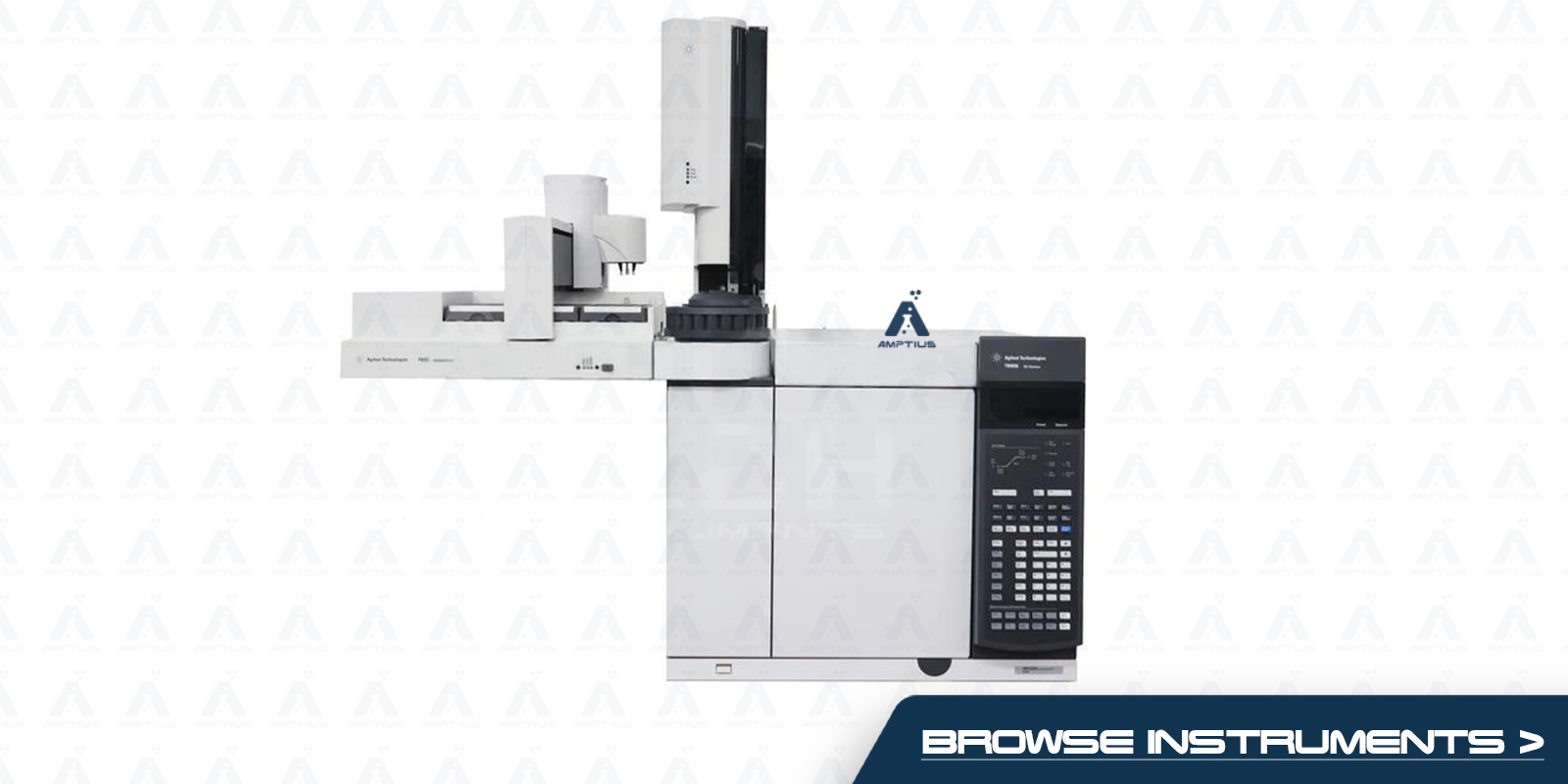
The Agilent 7890B GC, when paired with the 7250 GC/Q-TOF HRMS, provides a high-resolution mass spectrometry solution fully capable of meeting the requirements of EPA Method 1668A. The system features superior chromatographic resolution, ensuring effective separation of co-eluting PCB congeners, while the 7250 HRMS delivers precise mass accuracy for ultra-trace detection. With its optimized Selected Ion Monitoring (SIM) mode and high-resolution spectral acquisition, the Agilent 7890B/7250 system provides excellent sensitivity and reproducibility. Agilent’s MassHunter software streamlines data processing and compliance reporting, making this system a top-tier choice for environmental laboratories requiring accurate PCB analysis.
Laboratories implementing this system benefit from robust data validation, automated workflows, and high-throughput sample processing, making it ideal for large-scale compliance monitoring. The Agilent 7890B/7250 platform is designed for long-term stability, ensuring minimal downtime and consistent performance across multiple analytical runs. This system’s mass resolution and accuracy make it an excellent alternative to traditional sector field HRMS instruments, allowing laboratories to achieve reliable quantification of PCBs in compliance with regulatory standards.
Bruker SCION 456 GC with maXis II Q-TOF HRMS for EPA Method 1668A
The Bruker SCION 456 GC, paired with the maXis II Q-TOF High-Resolution Mass Spectrometer (HRMS), provides a fully compliant, high-resolution analytical solution for EPA Method 1668A. The maXis II Q-TOF HRMS offers the required resolving power for precise PCB congener identification while maintaining excellent sensitivity and reproducibility. The system ensures stable retention times and high chromatographic resolution, essential for distinguishing PCB congeners from potential interferences. The maXis II Q-TOF HRMS is equipped with state-of-the-art ion optics and advanced spectral processing capabilities, enhancing data reliability and regulatory compliance.
This system is an excellent choice for laboratories needing a balance of high sensitivity, affordability, and compliance with EPA 1668A. Additionally, its robust software suite facilitates method development, making it ideal for laboratories requiring flexibility in analytical procedures. With a high dynamic range and efficient spectral deconvolution capabilities, the Bruker SCION 456 GC with maXis II Q-TOF HRMS provides laboratories with an adaptable and precise instrument for ultra-trace PCB analysis in complex environmental samples.
Instrument Calibration and Sample Introduction Considerations
EPA Method 1668A requires high-resolution GC-HRMS systems to maintain stable mass calibration throughout extended analysis. Laboratories must perform routine calibration verification using isotopically labeled PCB standards to ensure consistent mass accuracy. Proper sample introduction is also critical for method compliance. Depending on sample type, laboratories may use direct injection for solvent-extracted PCBs, while purge-and-trap techniques may be required for aqueous samples to minimize matrix interferences. Selecting the appropriate injection method enhances analytical precision and regulatory compliance.
Additionally, periodic maintenance of GC columns and HRMS components is necessary to prevent contamination and maintain data accuracy, ensuring long-term reliability in PCB quantification. By implementing preventive maintenance routines and quality control measures, laboratories can improve the reproducibility of results and ensure continuous compliance with EPA Method 1668A. A well-maintained analytical workflow enhances method robustness and helps laboratories generate defensible data for regulatory reporting.
Choosing the Right HRMS System for EPA Method 1668A
- For high-resolution PCB analysis: The Thermo Scientific DFS Magnetic Sector HRMS and the Waters AutoSpec with Agilent 7890B GC HRGC-HRMS provide the highest resolving power, ensuring precise differentiation of PCB congeners.
- For high-throughput labs: The JEOL JMS-800D and the Agilent 7890B GC with 7250 HRMS offer rapid spectral acquisition and workflow efficiency.
- For cost-effective compliance: The Bruker SCION 456 GC with maXis II Q-TOF HRMS delivers reliable sensitivity and selectivity for EPA 1668A applications.
EPA Method 1668A requires high-resolution GC-MS instrumentation to achieve ultra-trace detection of PCBs in environmental samples. The recommended systems, including Thermo Scientific, Waters, Agilent, JEOL, and Bruker, provide industry-leading performance for regulatory compliance and environmental monitoring. Selecting the right HRMS system ensures precision, efficiency, and long-term reliability in PCB analysis. Each system must be properly validated for operational consistency and optimized for sample matrices to ensure compliance with EPA standards.
Contact us today to explore our certified refurbished inventory and expert support, ensuring high-quality PCB analysis with cost-effective solutions tailored to your laboratory needs.
