
EPA Method 325A Instrumentation Guide
EPA Method 325 A is a widely recognized protocol for monitoring volatile organic compounds (VOCs) in ambient air near refinery fencelines. This method involves passive sampling using sorbent-packed thermal desorption (TD) tubes, which collect air pollutants over a 14-day exposure period. The collected samples are later analyzed by thermal desorption-gas chromatography/mass spectrometry (TD-GC/MS), as defined in Method 325B. Accurate sample collection and proper instrument pairing are crucial for meeting environmental compliance and capturing representative emissions data.
Successful implementation of EPA Method 325A requires high-quality passive sampling equipment and integration with compatible GC-MS instrumentation. Samplers must be protected from environmental interference and supported by robust deployment protocols. Downstream analysis demands GC-MS systems with thermal desorption units, high sensitivity, and accurate mass detection. Below are fully compatible GC-MS platforms from leading manufacturers such as Agilent, Waters, PerkinElmer, Thermo Scientific, and Shimadzu, ideal for comprehensive VOC monitoring in compliance with Method 325A.
Please click here to learn more about Method 325A.
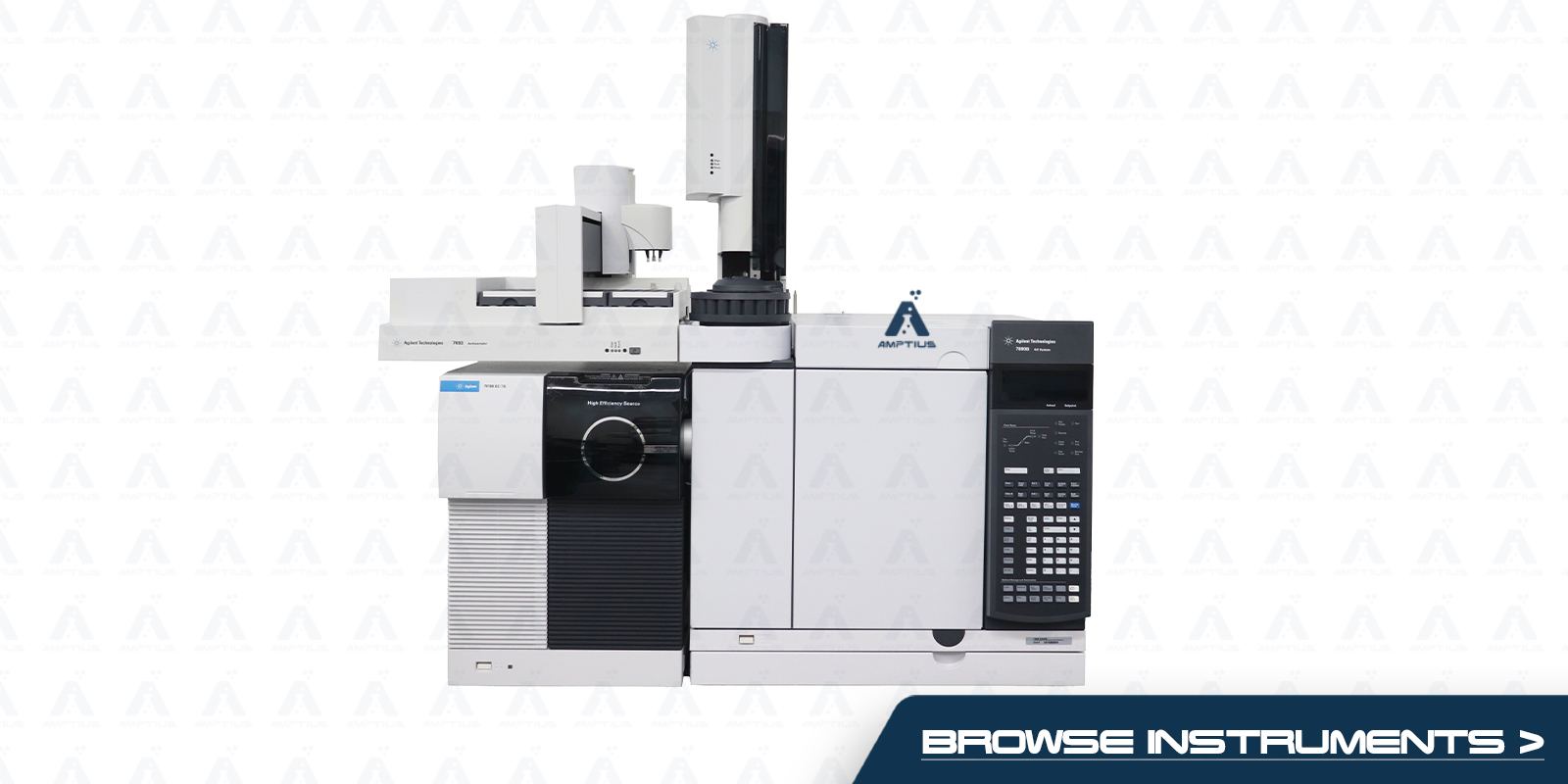
Agilent 7010B/7890B GC-MS for EPA Method 325A
The Agilent 7010B/7890B GC-MS system is an ideal match for VOC analysis following passive sample collection under EPA Method 325A. Its triple quadrupole configuration provides ultra-trace detection capabilities essential for refinery fenceline air quality assessments. The 7890B GC platform ensures excellent chromatographic resolution and stable retention times. When paired with a compatible thermal desorption unit, this system seamlessly processes sorbent tube samples collected during long-term passive monitoring periods.
MassHunter software offers automated calibration, data processing, and regulatory reporting, enhancing laboratory productivity and compliance. The system’s electron ionization source improves fragmentation for more accurate compound identification. With robust signal stability and reduced background noise, the Agilent 7010B/7890B is well suited for high-throughput environmental labs performing VOC quantitation in accordance with Method 325A and 325B guidelines.
Waters Xevo TQ-GC with Agilent 8890 GC for EPA Method 325A
The Waters Xevo TQ-GC coupled with the Agilent 8890 GC offers a powerful and flexible platform for analyzing VOCs collected by passive samplers in EPA Method 325A. The Xevo triple quadrupole mass spectrometer delivers high sensitivity and excellent selectivity, enabling clear identification of trace-level contaminants. The Agilent 8890 GC provides stable, reproducible separations with advanced control features and reliable thermal desorption compatibility.
With its PAL RSI Autosampler and user-friendly software interface, this system enhances automation and reduces sample handling errors. Designed for precision and compliance, the Xevo TQ-GC system supports detailed data validation and method traceability. Laboratories monitoring refinery emissions will benefit from the system’s consistent performance and reliability when processing TD tube samples for regulatory VOC screening under Method 325A.
PerkinElmer Clarus 690 GC-MS for EPA Method 325A
The PerkinElmer Clarus 690 GC-MS system is a high-sensitivity solution for VOC monitoring in air samples collected per EPA Method 325A. With advanced thermal desorption compatibility, the Clarus 690 supports direct introduction of sorbent tube samples into the GC-MS system, streamlining the workflow for refinery fenceline monitoring. The quadrupole mass analyzer ensures accurate compound identification and reliable quantitation at low concentration levels.
The system features TurboMass software for automated calibration, quantitation, and reporting to maintain regulatory compliance. Its efficient autosampler reduces manual handling, enhancing throughput and precision. The Clarus 690 is ideal for labs seeking an affordable, high-performance platform to support EPA Method 325A sampling campaigns while delivering reproducible and traceable VOC analysis across multiple sampling events.
Thermo Scientific TSQ 9610 GC-MS for EPA Method 325A
The Thermo Scientific TSQ 9610 GC-MS system delivers highly selective VOC analysis that aligns with the requirements of EPA Method 325A. Designed to process samples collected from passive TD tubes, this triple quadrupole instrument offers enhanced sensitivity and rapid data acquisition. Its advanced EI ion source improves spectral clarity, making it easier to identify regulated pollutants such as benzene, toluene, and xylene in complex air matrices.
Integrated with Thermo’s Xcalibur software and compatible thermal desorption units, the TSQ 9610 streamlines method setup, analysis, and regulatory documentation. The system supports continuous, unattended operation—making it ideal for high-throughput labs involved in ongoing fenceline monitoring. Its rugged performance and excellent accuracy make it a strong candidate for environmental labs adopting Method 325A workflows.
Shimadzu GCMS-TQ8050 NX for EPA Method 325A
The Shimadzu GCMS-TQ8050 NX triple quadrupole system is designed for precision VOC analysis in refinery fenceline air monitoring under EPA Method 325A. With Smart MRM and high-speed scanning capabilities, it delivers trace-level detection and improved selectivity across complex ambient air samples. Its Smart EI source enhances ionization efficiency while minimizing background noise and carryover.
Seamless integration with Shimadzu’s TD systems and LabSolutions software enables full automation of data collection, reporting, and QA/QC tracking. The TQ8050 NX supports extended runtimes, making it a low-maintenance, high-performance choice for air monitoring programs. Its accuracy and durability ensure long-term reliability when analyzing passive samples collected through EPA Method 325A field deployments.
Choosing the Right GC-MS System for EPA Method 325A
- For high-throughput labs: The Agilent 7010B/7890B and Waters Xevo TQ-GC with Agilent 8890 provide ultra-trace detection and advanced automation.
- For cost-conscious workflows: The PerkinElmer Clarus 690 offers affordable VOC analysis with reliable TD integration.
- For advanced performance and flexibility: The TSQ 9610 and Shimadzu TQ8050 NX deliver high sensitivity, long-term stability, and rapid analysis.
EPA Method 325A demands precise field sampling and seamless integration with thermal desorption-compatible GC-MS systems. Instruments like the Agilent 7010B, Waters Xevo TQ-GC, PerkinElmer Clarus 690, Thermo TSQ 9610, and Shimadzu TQ8050 NX offer comprehensive solutions for fenceline VOC monitoring. As a trusted provider of certified refurbished systems, we help labs meet regulatory requirements at reduced cost.
Contact us today to explore compatible GC-MS solutions that meet your air monitoring goals under EPA Method 325A.